

2026.09.28
Fugleramme: A Self-Hosted Frame for Local Bird Detection
Fugleramme turns BirdNET-Go audio detections into an illustrated bird frame for Raspberry Pi, e-ink panels, or web screens. It is promising but still early-stage, so coverage, licensing, hardware, and deployment details need review.
What it does
Fugleramme is for people who want to turn garden bird observations into a persistent visual display. It is not the complete audio-recognition engine itself. Instead, it connects to BirdNET-Go, which listens to a microphone and identifies bird sounds. Fugleramme polls the BirdNET-Go API, matches detected species to artwork, lays the birds out on a page, and redraws when the detected birds change. The result is closer to a changing digital picture frame than to a conventional monitoring dashboard.
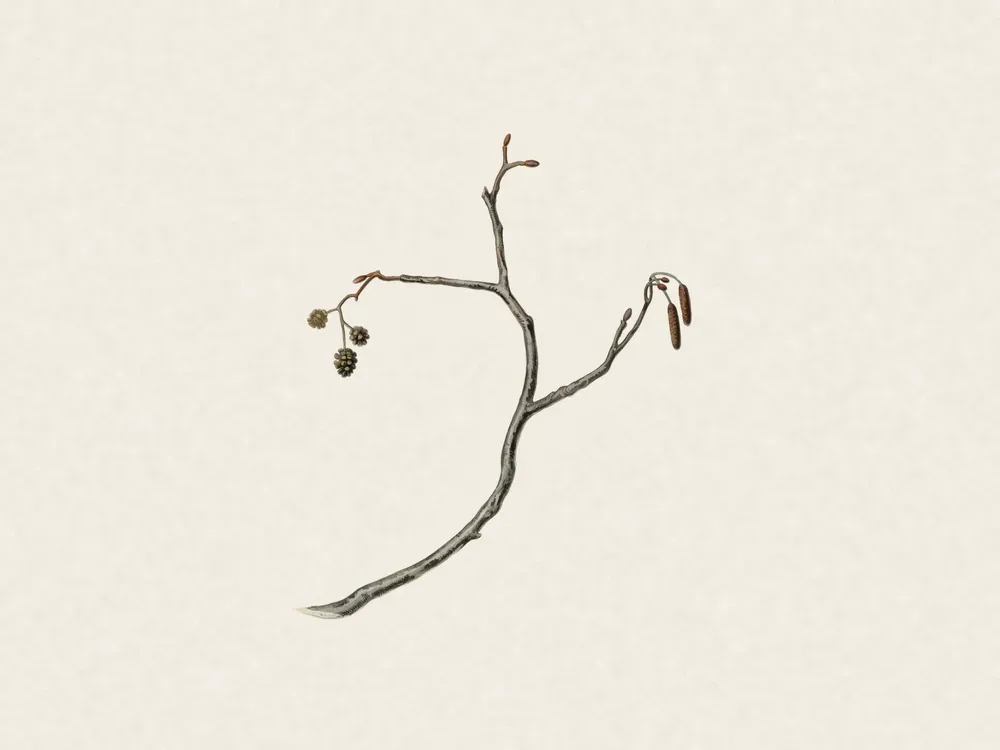
Image source: fugleramme. Published by the project; the interface may vary by version.
Who it suits
The project is a fit for birdwatchers who already have, or are willing to build, a Raspberry Pi, microphone, and display setup. It also suits developers who want a self-hosted visual page on a home network. The artwork is central to the project: the README describes more than 1,000 cut-outs covering over 500 species. Detected species are matched to illustrations, background-removed, and arranged into a composed page.
The display does not have to be e-ink. The documented hardware example uses a Raspberry Pi 5, a 13.3-inch Inky Impression Spectra 6 panel, a microphone, and a frame. Without the panel, Fugleramme can run web-only and be shown on a TV, HDMI display, network device, desktop wallpaper, or screensaver.
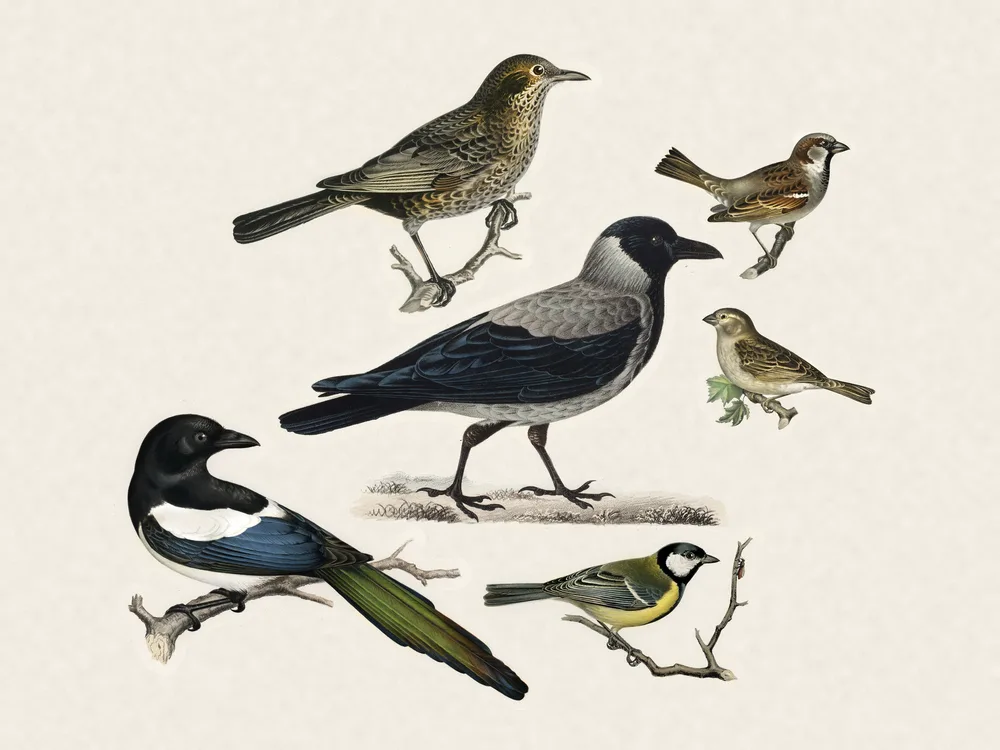
Image source: fugleramme. Published by the project; the interface may vary by version.
Known features
An admin page lets users configure what is shown. Fugleramme can use BirdNET-Go running on the same machine or elsewhere on the reachable network. This makes it useful as a presentation layer for an existing BirdNET-Go installation, rather than requiring users to duplicate the detection service.
The container setup provides a kiosk page, an admin page, and persistent data storage. Release v0.25.1 records rendering fixes, an admin-page adjustment, additional bird artwork, and documentation changes. The code is licensed under the MIT License, but the complete stack is not uniformly MIT-licensed. The README identifies BirdNET-Go as CC BY-NC-SA 4.0 and notes separate terms for artwork, fonts, and data.
Limitations before adoption
The clearest limitation is project maturity. The official README says Fugleramme is still in early development and may contain bugs and unpolished areas. It should therefore not be treated as a proven critical display system. Species coverage is also geographically uneven: Europe and northern Asia are strongest, North America is described as good, while the tropics and Southern Hemisphere are thinner. Check the project’s coverage list before assuming local birds will be represented.
It is also important to distinguish self-hosted display from self-contained detection. Fugleramme can be hosted locally, but bird identification depends on a separately running BirdNET-Go service. The supplied sources do not confirm a complete minimum hardware specification, performance figures, or security guarantees. Detection latency, resource use, and public-internet safety should not be inferred.
Deployment considerations
Decide first whether the target is a physical e-ink frame or a web display. Then verify the BirdNET-Go location, network reachability, microphone setup, and persistent storage. The project documents Raspberry Pi and container deployment, while noting that a fresh system may require a reboot after installation.
If the admin interface is reachable beyond a trusted local network, plan access control, network isolation, and updates yourself. The supplied material does not establish what authentication or security protections are built in.
Overall, Fugleramme is best for users who accept early-stage software, value an art-directed display, and can maintain a BirdNET-Go environment. Its strength is turning detection data into a distinctive local visual composition—not providing a fully validated birding infrastructure on its own.
Sources
Sources checked: 2026-09-28