

2026.09.25
Wizarr: Streamlining User Invitations for Self-Hosted Media Servers
Wizarr helps administrators of Plex, Jellyfin, Emby and other media services organize invitations, onboarding steps and user management. This overview covers its documented features and adoption considerations.
What it is for
Wizarr is a user invitation and management system for self-hosted media servers. Its purpose is to turn a process that often requires repeated administrator instructions into a shareable invitation link and guided onboarding flow. The project lists Plex, Jellyfin, Emby, Audiobookshelf, Romm, Komga and Kavita among its supported services.
It is aimed at administrators running household or small shared media environments who need to invite friends or family without explaining account creation, client setup and request workflows from scratch each time. The invitation experience can provide setup guidance to users, while administrators can centralize invitation-related steps. The supplied sources do not state a supported user scale, performance figures or minimum hardware requirements, so those should not be inferred.
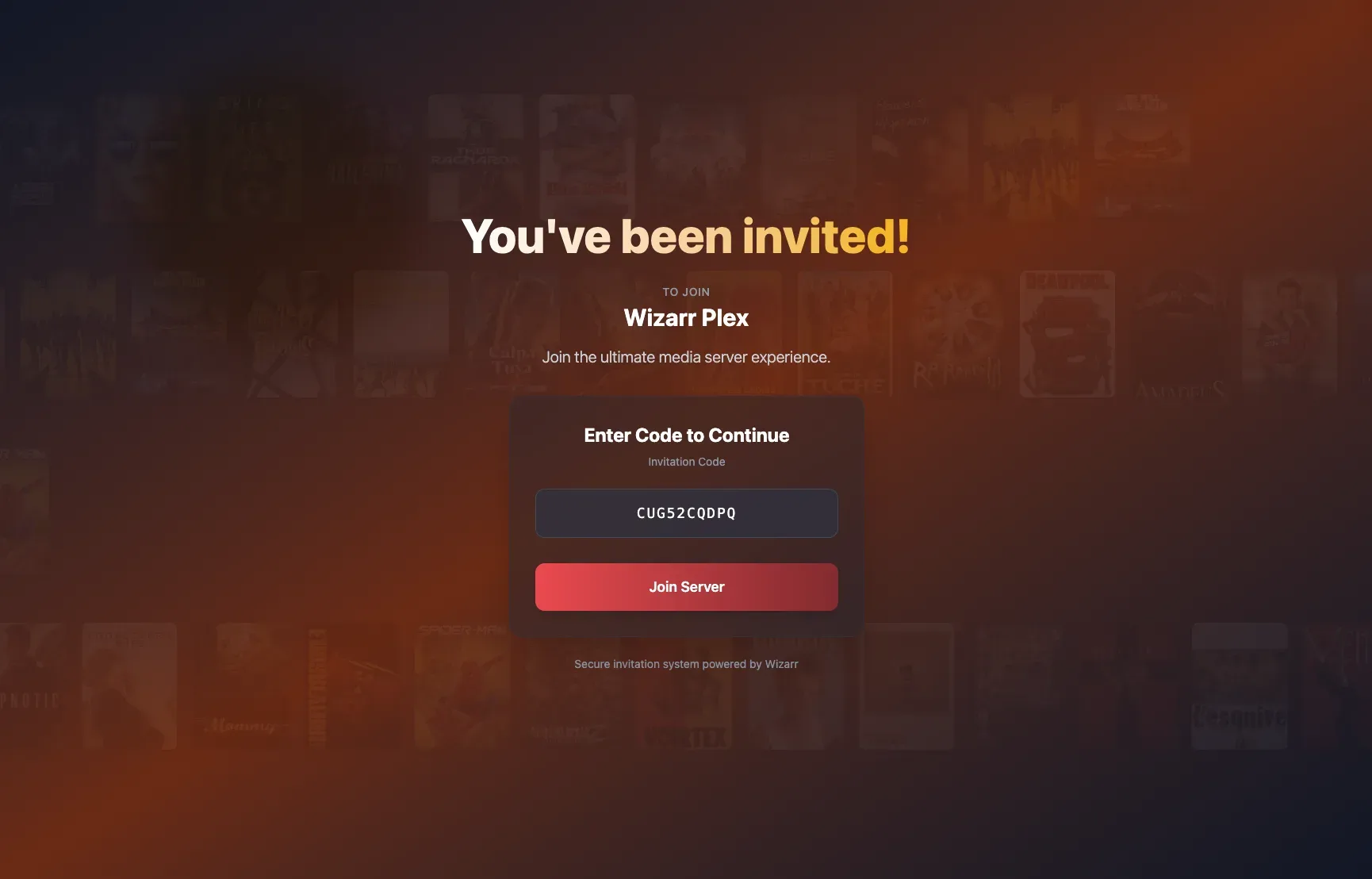
Image source: wizarr. Published by the project; the interface may vary by version.
Documented features
The README says Wizarr can create a unique invitation link and add users to the relevant media service after they complete the process. Its feature list includes tiered invitation access, time-limited memberships, pre-invite and post-invite wizard steps, and setup guidance for media applications. It also lists integrations with request systems such as Overseerr and Ombi, Discord invite support, and customizable HTML snippets.
The project further describes SSO support and automatically generated REST API documentation, including an interactive API page and an OpenAPI specification. The exact availability of these capabilities, platform-specific configuration requirements and SSO behavior should be checked against the official documentation and the version being deployed.
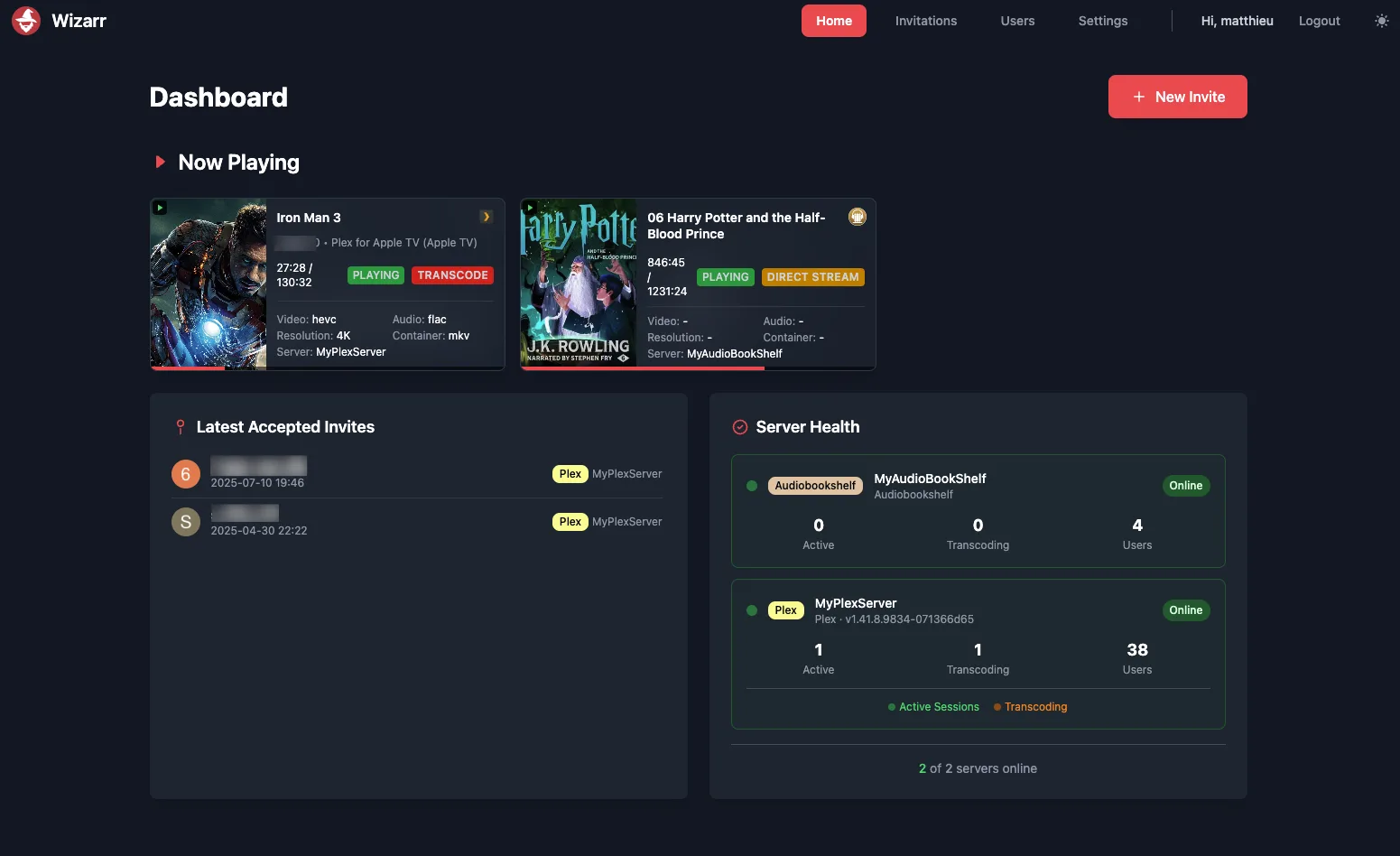
Image source: wizarr. Published by the project; the interface may vary by version.
Limitations before adoption
Compatibility should not be judged from the project name alone. Although the README names several services, the supplied sources do not provide a complete version matrix, all prerequisites or feature differences for each platform. Before deployment, administrators should verify the target media servers, request systems, authentication method and reverse-proxy setup individually.
The invitation process may involve account creation, permission assignment and expiry handling. The v2026.9.1 release notes mention fixes for wizard template rendering, workers, expiry processing and translation stability. These areas therefore deserve explicit acceptance testing rather than being treated as maintenance-free automation. The supplied material does not provide an independent security audit or security guarantee. Administrators should assess exposure, invitation-link distribution, administrative privileges and logging themselves.
Deployment considerations
The official repository points to project documentation for installation and operation and includes Docker-related files, but the supplied sources do not confirm a specific production topology, resource baseline or deployment configuration. Before rollout, define persistence, backup and recovery, network boundaries, and the handling of credentials used to access media-service APIs. If invitation links are shared over the public internet, consider link expiry, reverse-proxy controls, TLS, access restrictions and revocation procedures.
Wizarr’s practical value is its attempt to consolidate invitation and onboarding steps across several media services. It is best approached by validating the documented workflow in a personal or household environment first, then checking permissions, expiry behavior, translations and integrations for the exact service combination in use.
Sources
Sources checked: 2026-09-25