
2026.09.21
restic suits individuals, developers, and small teams that want control over backup data. It offers multi-platform support, snapshots, restores, deduplication, and several storage backends, but requires careful password and recovery planning.
Read article →
2026.09.20
obsidian-llm-wiki turns Obsidian notes and supported documents into a linked, queryable knowledge base. Its graph-based retrieval avoids embeddings and vector databases, but users should review model-data handling, backups, format support, and automated page rewrites before deployment.
Read article →
2026.09.20
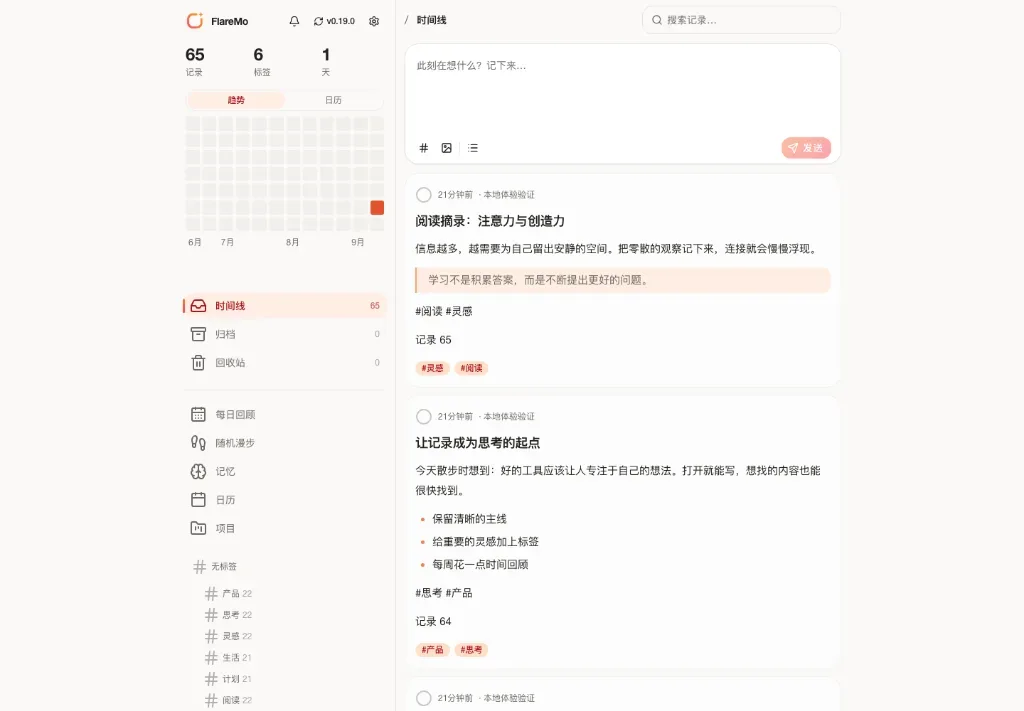
FlareMo is a Cloudflare-native knowledge base for individuals and teams, combining notes, tasks, MCP, AI memory, and collaboration controls. Review platform dependency and deployment requirements before adopting it.
Read article →
2026.09.20
MrDoc organizes documents, wikis, knowledge, and notes around projects, with Markdown, collaboration, permissions, version history, an API, and AI-related features. Review deployment and data-handling needs before adoption.
Read article →
2026.09.20
MulmoClaude is an MIT-licensed, local-first AI assistant platform built around personal wikis, data collections, feeds, automations, and small custom apps. It suits people willing to self-host and manage Claude Code dependencies, but deployment requires attention to runtime prerequisites, persistence, bridges, and remote access.
Read article →
2026.09.20
Semantic MediaWiki extends MediaWiki with structured data storage, querying, and Semantic Web publishing for teams building collaborative knowledge bases.
Read article →

2026.09.19
agent-device provides a CLI, MCP server, and typed Node.js API for inspecting, controlling, and verifying applications. It fits teams connecting coding agents to mobile testing, debugging, or CI, but platform coverage and environment requirements need careful validation.
Read article →
2026.09.19
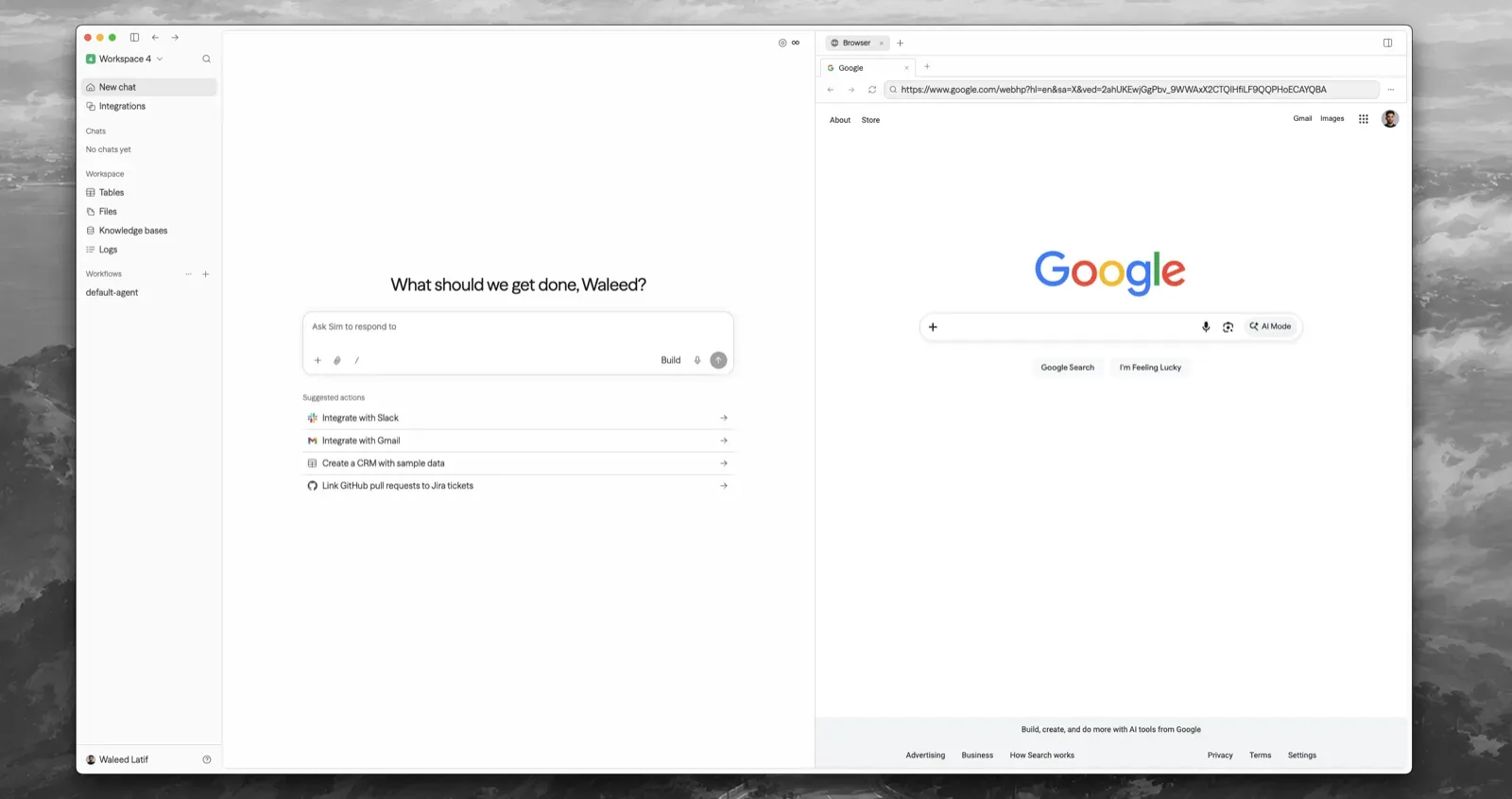
Sim brings agents, workflows, knowledge, files, and run monitoring into one workspace, with cloud, self-hosted, and macOS options. This overview covers its capabilities, intended users, and deployment boundaries.
Read article →
2026.09.19
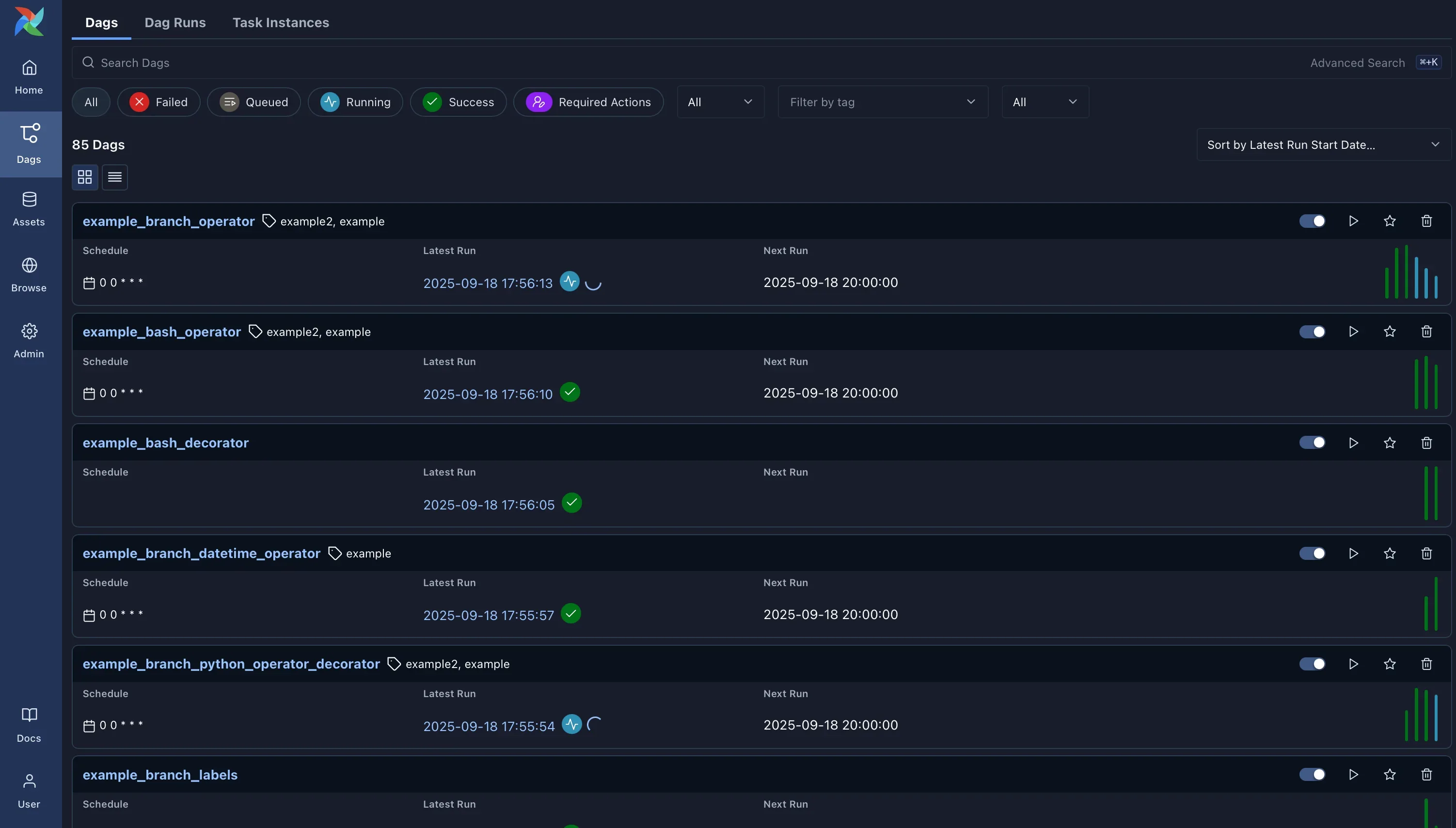
Apache Airflow is suited to code-defined orchestration of relatively stable data, machine-learning, and automation workflows. It is not a streaming system, and production adoption requires planning for task idempotency, external data services, databases, workers, and platform support.
Read article →
2026.09.18
Dashy gives homelab and self-hosting users a configurable homepage with pages, status checks, widgets, search, themes, icons, and optional authentication. Deployment still requires careful planning for configuration, networking, access control, and updates.
Read article →
2026.09.18
netboot.xyz uses iPXE to place operating-system installers and utility disks behind a network boot menu. It suits labs, bare-metal operations, and repeatable installations, but deployment requires careful validation of firmware, architecture, network boot paths, and self-hosting maintenance.
Read article →
2026.09.18
Kuvasz combines availability checks, SSL monitoring, notifications, status pages, APIs, and metric exporters in a self-hosted service for personal infrastructure and small teams.
Read article →

