2026.10.11
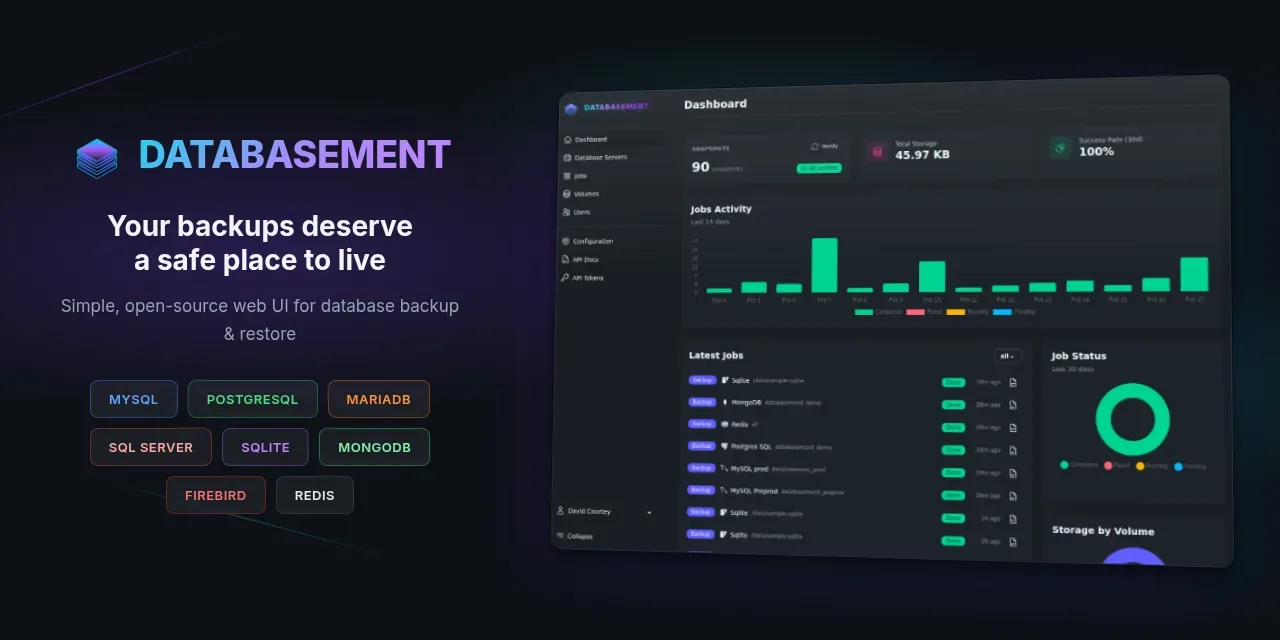
Databasement gives teams a self-hosted interface for scheduled backups, snapshot restores, remote connectivity, storage targets, notifications, and automation across several database engines. Verify restore coverage and deployment requirements before adoption.
Read article →

2026.10.11
pgmoneta provides full and incremental PostgreSQL backups, WAL handling, point-in-time recovery, compression, encryption, and monitoring. Review version, platform, migration, and recovery requirements before adoption.
Read article →
2026.10.11
BorgBackup is suited to individuals, developers, and small teams that want control over their backup repositories. It offers content-defined chunking, optional compression, client-side encryption, and several remote-storage paths. Separate the stable release line from the still-testing Borg2 branch before deployment.
Read article →

2026.10.10
Memex is an open-source, local-first AI journal for iOS and Android, aimed at people who want low-friction capture while retaining control over storage and export.
Read article →
2026.10.10
OpenLore turns ordinary Markdown into a shared knowledge space for agents, people, and repositories, exposing the same virtual filesystem through SSH, MCP, SFTP/SSHFS, and a web view. It fits teams that need current context and scoped permissions, but deployment still requires careful review of identity, persistence, write policy, and version support.
Read article →
2026.10.10
Seafile targets people and teams that want control over file storage and collaboration. Its documented features include library-based sync, sharing, version control, metadata views, and collaboration integrations, with component and licensing details to verify before deployment.
Read article →
2026.10.10
pi-llm-wiki connects source capture, ingestion, search, linting, and Obsidian-compatible storage for Pi and MCP workflows. It suits developers and researchers who want durable context, but deployment still requires decisions about hosts, models, data governance, and automation.
Read article →
2026.10.10
Second Brain OS combines Obsidian, Claude Code, and agent workflows to turn scattered material into a linked Markdown knowledge base. Review access, privacy, and maintenance needs before adopting it.
Read article →
2026.10.09
Domain Locker is an open-source, self-hostable hub for domain inventory, expiration alerts, configuration history, and website health monitoring.
Read article →
2026.10.09
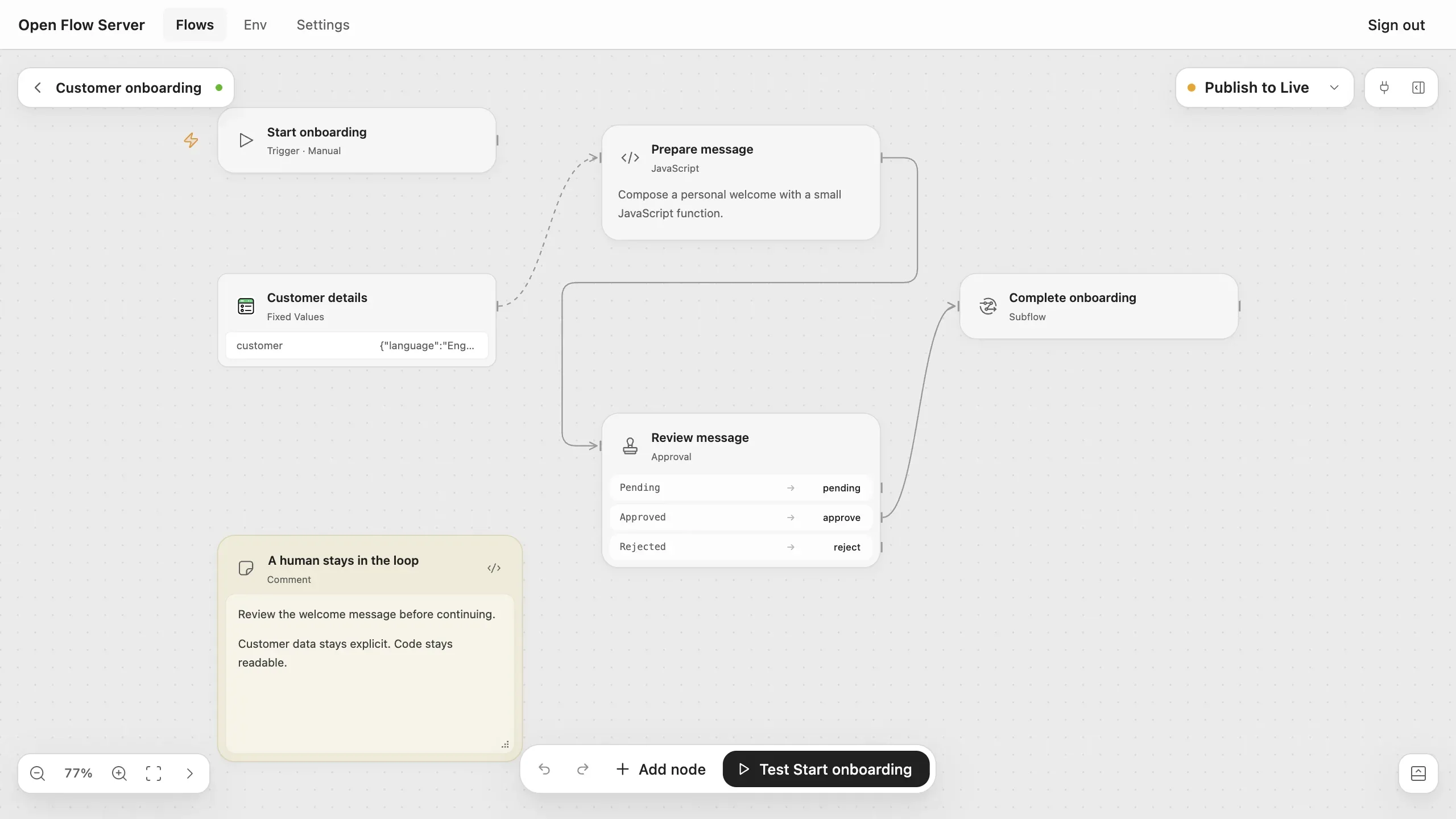
Open Flow is an Apache-2.0 open-source visual workflow platform combining JavaScript, AI tasks, app connections, branching, and human approval. It supports hosted or self-managed deployment, while its beta status and operational dependencies require careful evaluation before adoption.
Read article →

2026.10.09
Notte targets developers building AI or coding agents that operate websites. Its open-source core covers web agents, structured output, and site interactions, while the API service adds hosted browser sessions and other features. Review licensing, service dependencies, and credential handling before adoption.
Read article →
2026.10.09
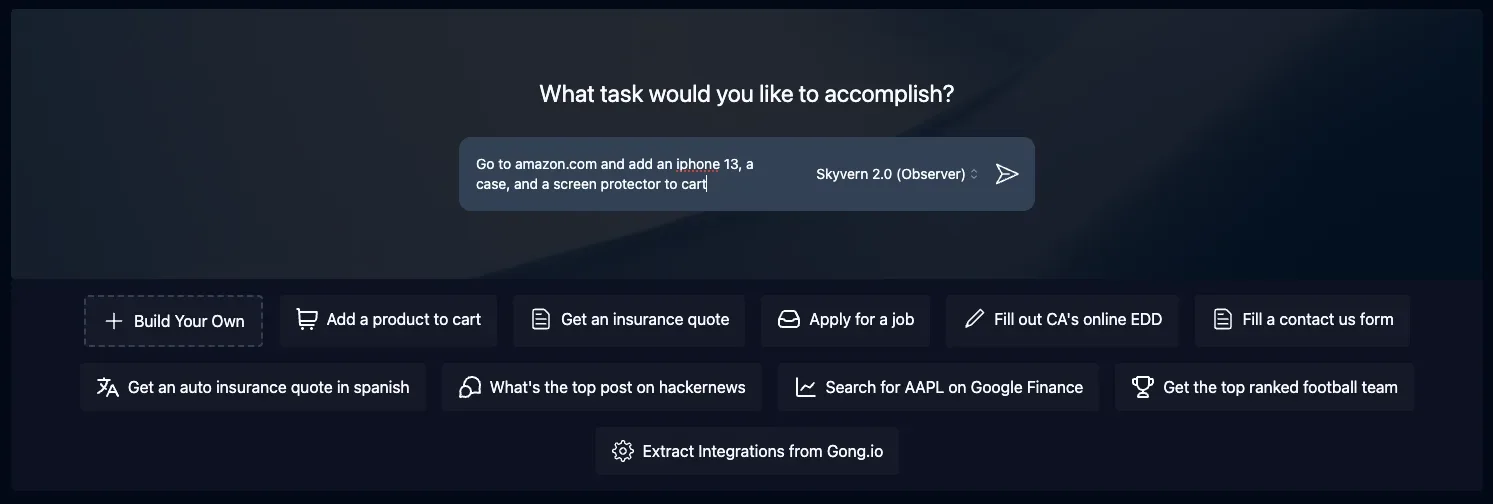
Skyvern combines Playwright-compatible browser automation with large language models and computer vision. This overview covers suitable users, documented capabilities, and the dependency, data, and licensing questions to resolve before self-hosting.
Read article →

