

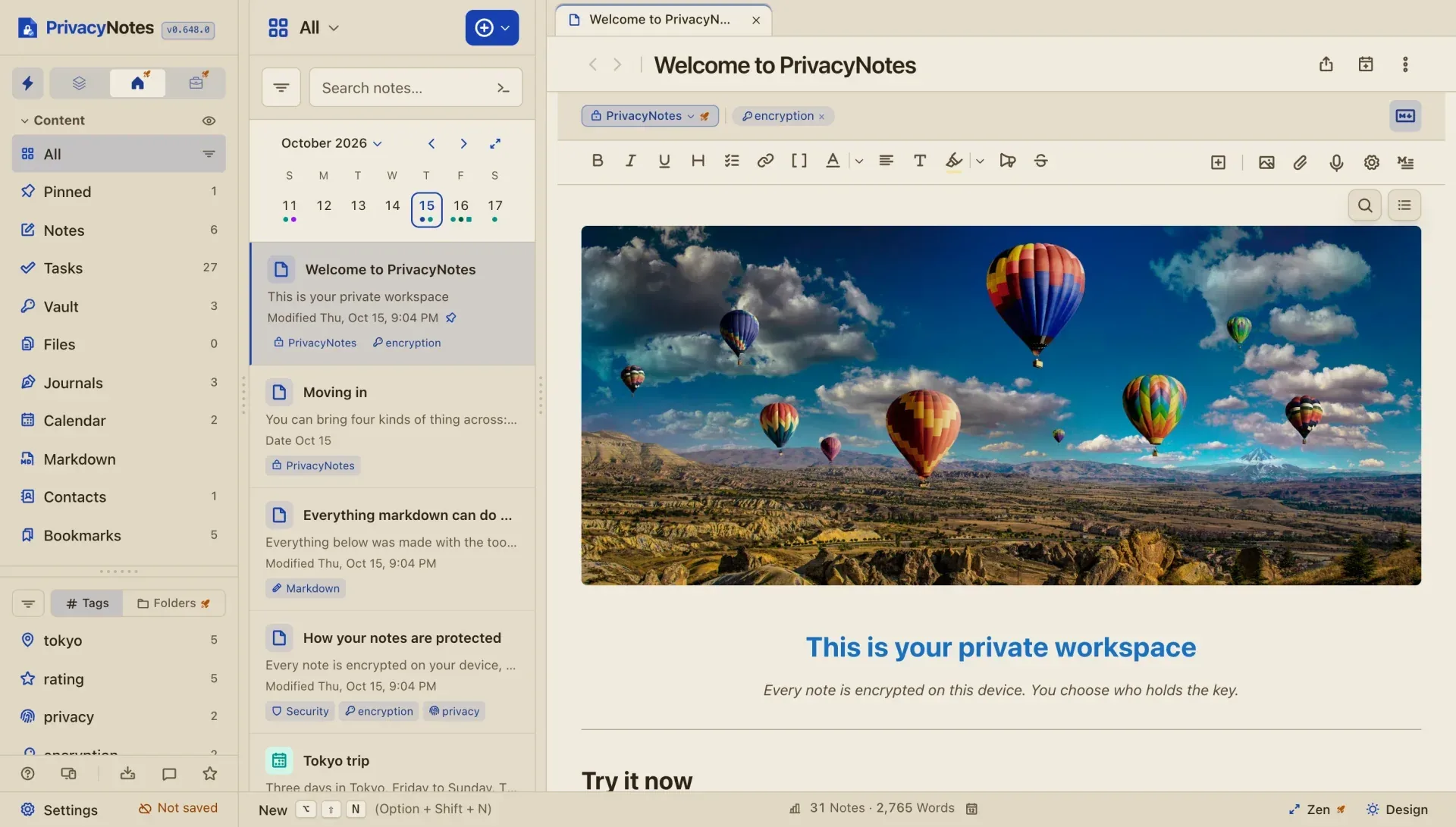
PrivacyNotes.app: Open-Source Notes Built Around a Recovery Phrase
PrivacyNotes.app combines encrypted notes, tasks, journals, passwords, and attachments for users willing to manage a phrase-based key.
Read article →TOPIC
Open-source selection, comparisons, and self-hosting experience.
PrivacyNotes.app combines encrypted notes, tasks, journals, passwords, and attachments for users willing to manage a phrase-based key.
Read article →
Nowen Note combines notes, knowledge management, daily logs, tasks, collaboration, and AI features in a GPL-3.0 project for people who want to run and manage their own data.
Read article →
IWE turns local Markdown files into a connected knowledge graph with editor LSP features, a CLI, and MCP tools for AI agents. It suits developers who value readable local files, but editor support, agent access, and deployment details should be verified first.
Read article →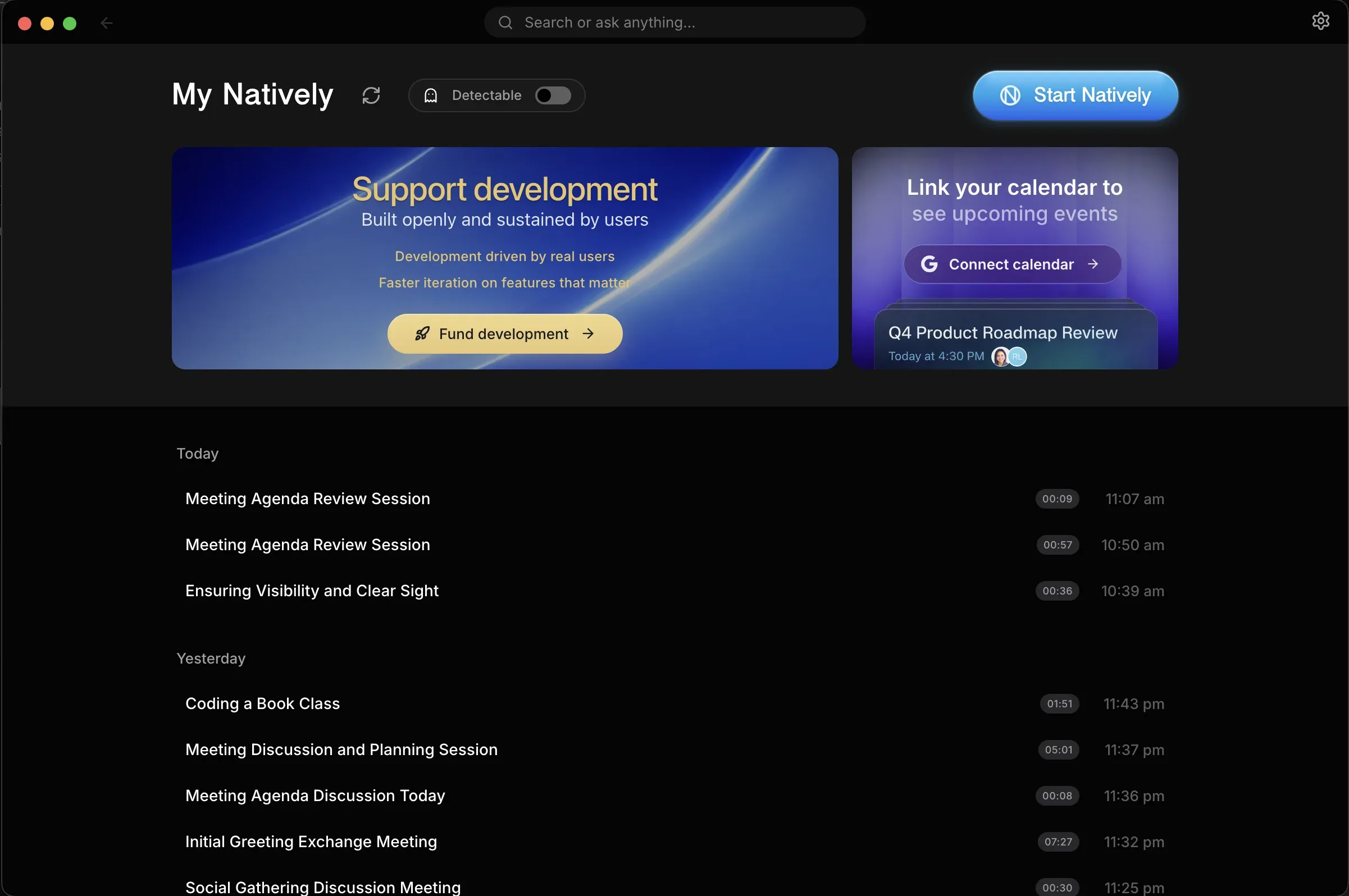
Natively is a source-available desktop application for meetings, interviews, and note taking. It offers live transcription, AI answers, local retrieval, and multiple speech-to-text options, but users should review its license, data flows, stealth-mode limits, and system requirements before deployment.
Read article →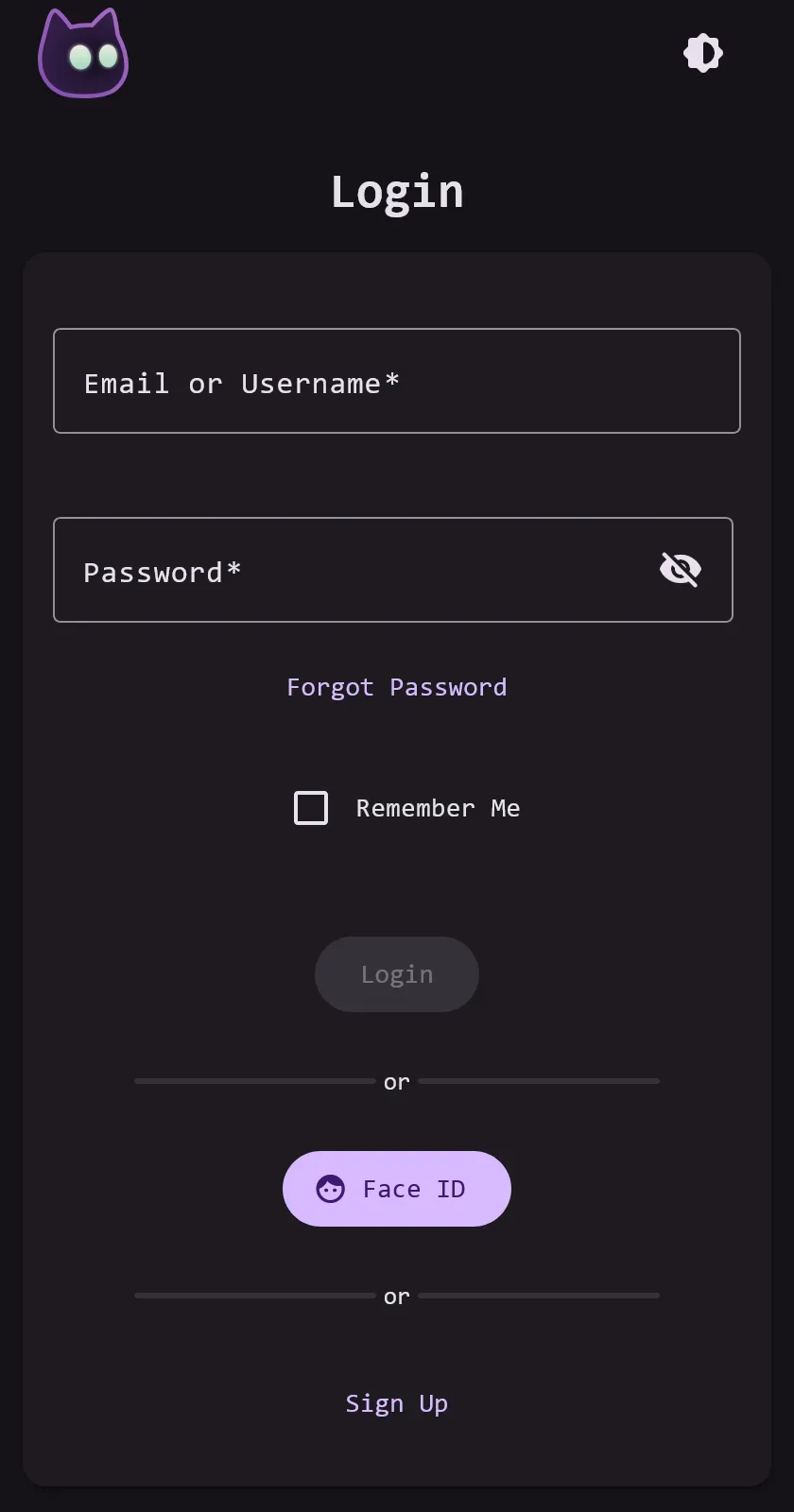
VoidAuth brings OIDC, ForwardAuth, LDAP, user management, and multifactor authentication into a self-hosted identity service. It suits individuals and small teams that want one login layer, but deployment requires attention to AGPL-3.0, email, persistence, and the project’s unaudited status.
Read article →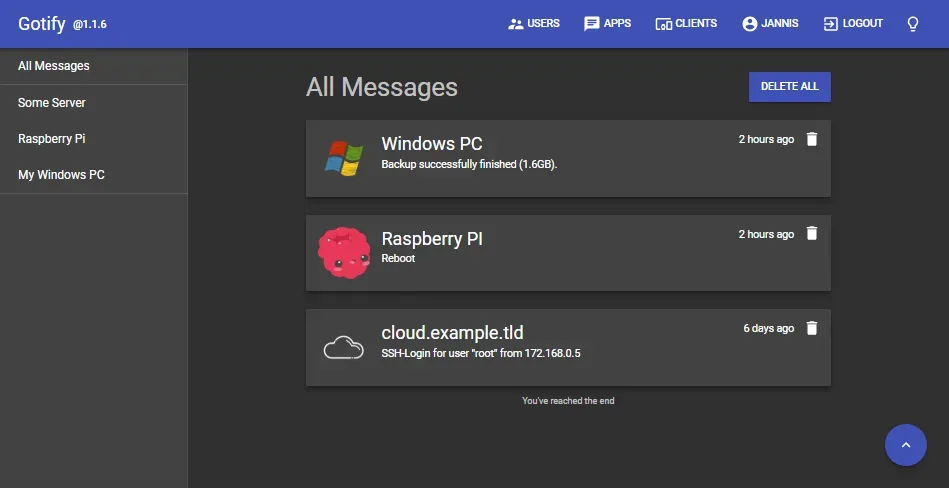
Gotify/server offers REST API sending, WebSocket receiving, a web UI, and an extension point for plugins. Review licensing, authentication, storage, and companion clients before adoption.
Read article →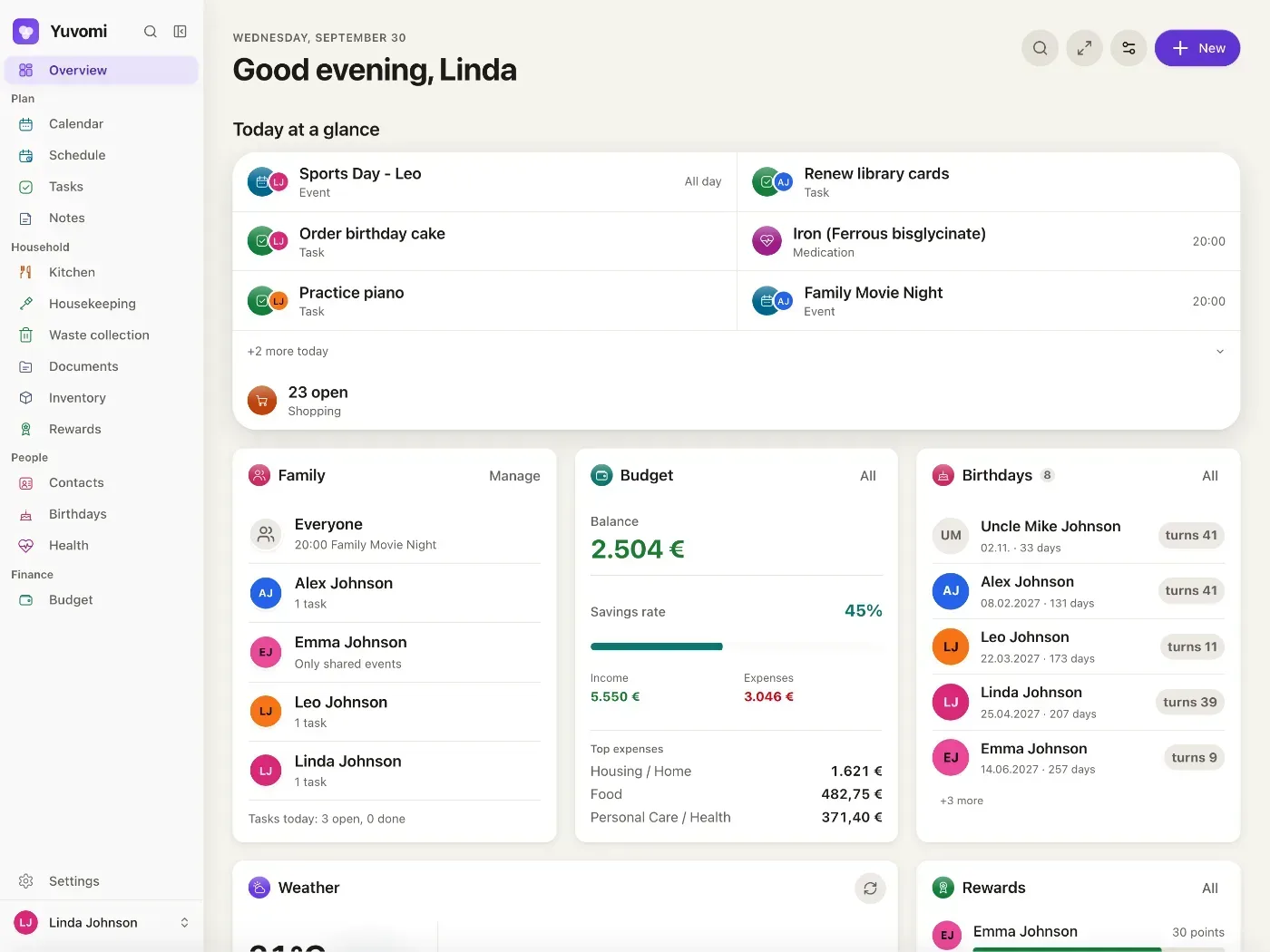
Yuvomi is an MIT-licensed self-hosted family planner covering tasks, calendars, meals, shopping, budgets and more. It suits households that want control over their data and can maintain a server, but deployment, backups and integrations remain the operator’s responsibility.
Read article →
Selfhost AI uses Docker Compose and an interactive wizard to deploy self-hosted AI, workflow, RAG, and monitoring services. It suits users who want a unified server environment, but requires a VPS, domain, DNS setup, and ongoing operations.
Read article →
Awesome-Selfhosted is not an installable platform, but a broad directory for discovering free software network services and web applications that can run on your own servers.
Read article →
AnythingMCP lets teams expose existing APIs, databases and MCP services as tools for AI clients. Before adoption, assess credential handling, write permissions, platform support, public deployment and AGPL-3.0 obligations.
Read article →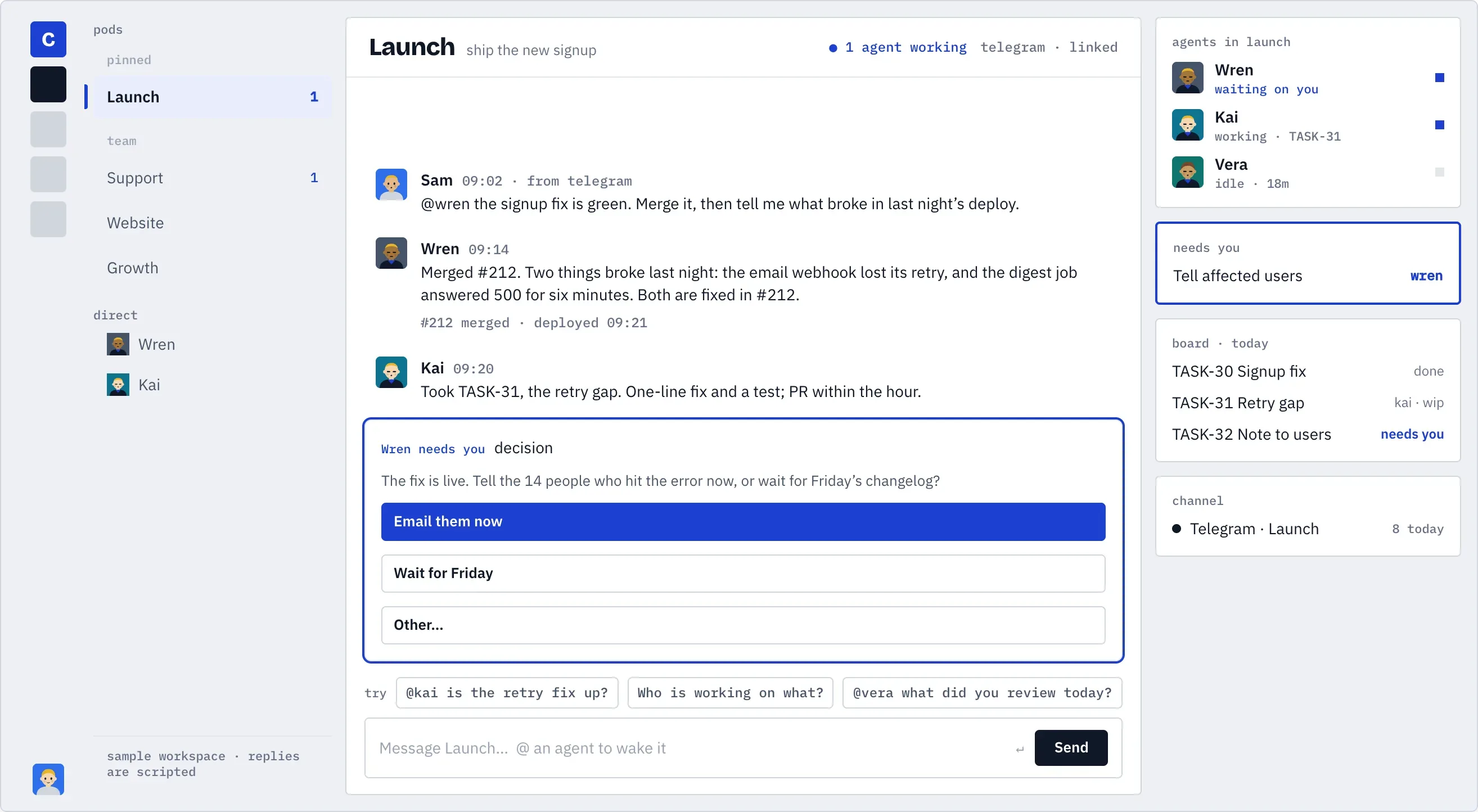
Commonly is an Apache 2.0 open-source, self-hostable coordination workspace built around pods, agent seats, memory, tasks, connectors, and user-controlled runtimes.
Read article →
MiroTalk BRO is for teams that want to operate their own live-broadcast entry point, with video, audio, screen sharing, and RTMP ingest. Review SFU, network, browser, and AGPLv3 considerations before adopting it.
Read article →