


Immich
A self-hosted photo and video backup platform with mobile auto-upload, albums, search and facial recognition.
Docker
OPEN SOURCE. YOUR WAY.
From open-source discoveries to self-hosted applications and AI workflows. Understand the tools, make your choice, and put your ideas to work.
Find software and alternatives that fit
From first install to reliable backups
Connect tools and automate routine work
THE SHORTLIST
Look beyond features: understand licensing, deployment, and maintenance.
A self-hosted photo and video backup platform with mobile auto-upload, albums, search and facial recognition.

A workflow automation platform with visual flows, code nodes and native AI capabilities that can be self-hosted.

A lightweight Bitwarden-compatible password manager for individuals and small teams that want control of their data.
A listing is not a test certification. Check each project’s license and requirements. Our standards ↗
FROM THE NOTEBOOK
Practical guides, considered choices, and the details that make a difference.

agent-device provides a CLI, MCP server, and typed Node.js API for inspecting, controlling, and verifying applications. It fits teams connecting coding agents to mobile testing, debugging, or CI, but platform coverage and environment requirements need careful validation.
Read article →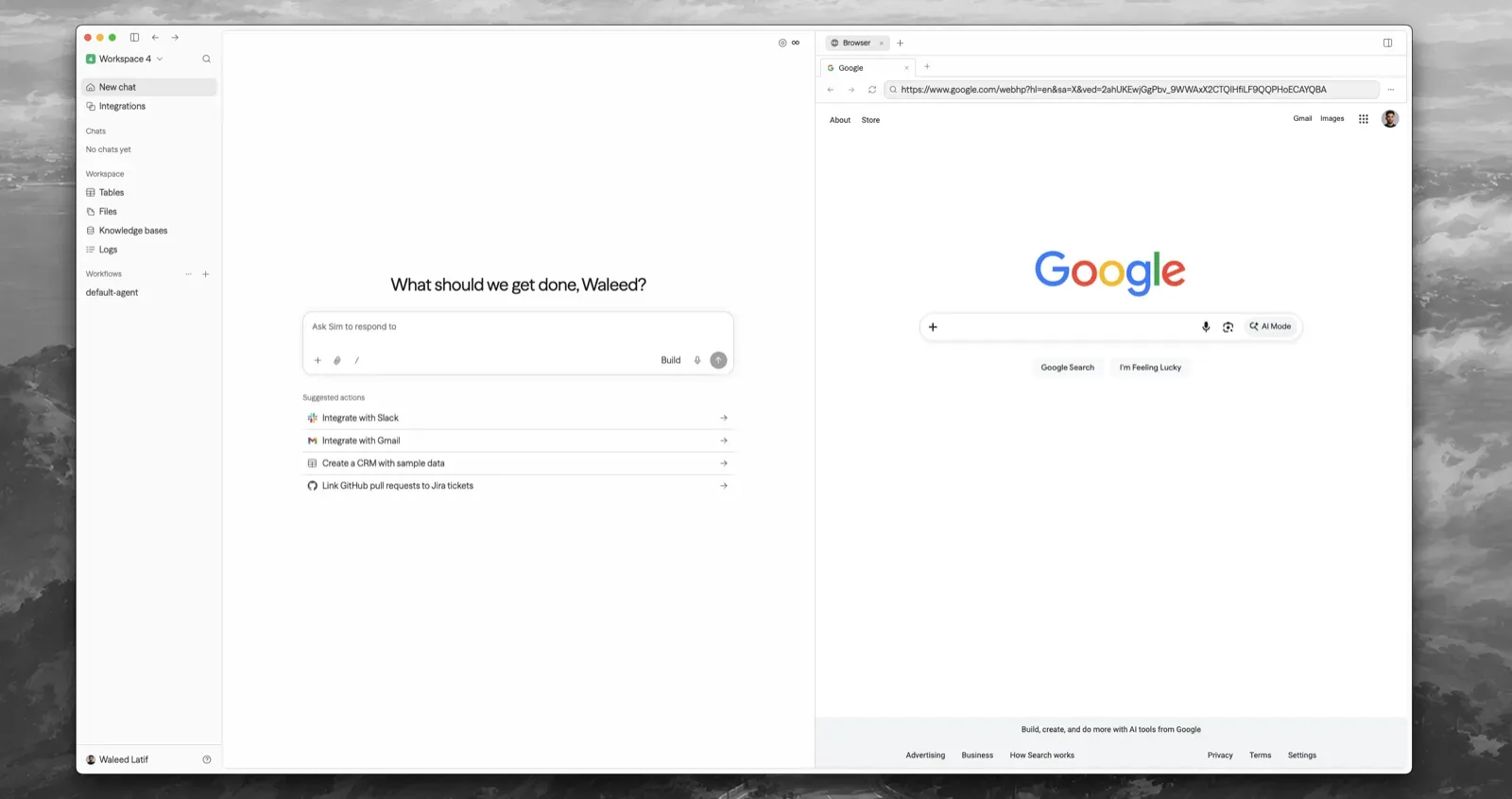
Sim brings agents, workflows, knowledge, files, and run monitoring into one workspace, with cloud, self-hosted, and macOS options. This overview covers its capabilities, intended users, and deployment boundaries.
Read article →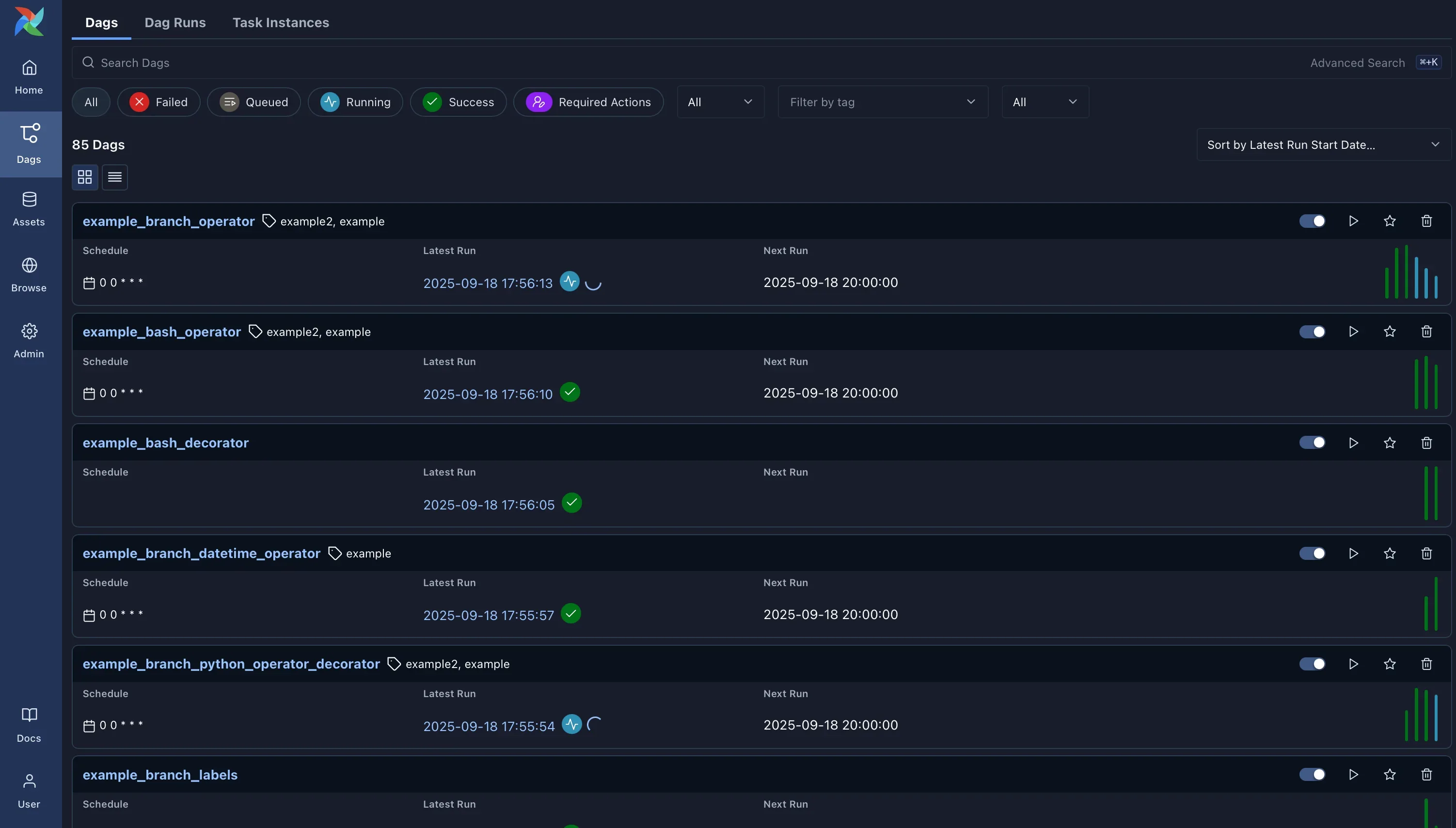
Apache Airflow is suited to code-defined orchestration of relatively stable data, machine-learning, and automation workflows. It is not a streaming system, and production adoption requires planning for task idempotency, external data services, databases, workers, and platform support.
Read article →
Dashy gives homelab and self-hosting users a configurable homepage with pages, status checks, widgets, search, themes, icons, and optional authentication. Deployment still requires careful planning for configuration, networking, access control, and updates.
Read article →
netboot.xyz uses iPXE to place operating-system installers and utility disks behind a network boot menu. It suits labs, bare-metal operations, and repeatable installations, but deployment requires careful validation of firmware, architecture, network boot paths, and self-hosting maintenance.
Read article →
Kuvasz combines availability checks, SSL monitoring, notifications, status pages, APIs, and metric exporters in a self-hosted service for personal infrastructure and small teams.
Read article →DEPLOYMENT NOTES
Make persistent data, backups, security, and upgrades part of your deployment plan.
Read deployment guides