


Immich
A self-hosted photo and video backup platform with mobile auto-upload, albums, search and facial recognition.
Docker
OPEN SOURCE. YOUR WAY.
From open-source discoveries to self-hosted applications and AI workflows. Understand the tools, make your choice, and put your ideas to work.
Find software and alternatives that fit
From first install to reliable backups
Connect tools and automate routine work
THE SHORTLIST
Look beyond features: understand licensing, deployment, and maintenance.
A self-hosted photo and video backup platform with mobile auto-upload, albums, search and facial recognition.

A workflow automation platform with visual flows, code nodes and native AI capabilities that can be self-hosted.

A lightweight Bitwarden-compatible password manager for individuals and small teams that want control of their data.
A listing is not a test certification. Check each project’s license and requirements. Our standards ↗
FROM THE NOTEBOOK
Practical guides, considered choices, and the details that make a difference.
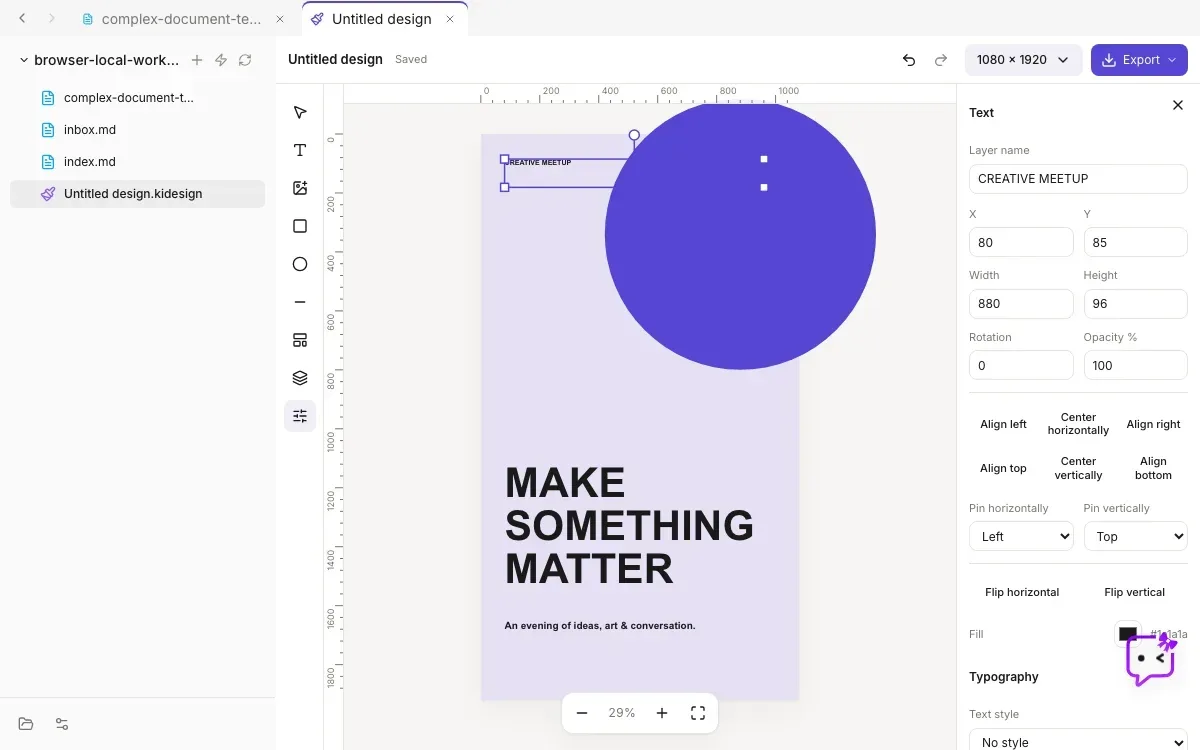
Kition combines knowledge work, structured records, visual planning, web research, and workflows in one desktop workspace. It is still in beta, and its separate runtime boundary makes backups, review, and deployment validation important before adoption.
Read article →
Bitcart is aimed at merchants and developers who want to operate cryptocurrency payment infrastructure themselves. This overview covers its scope, ecosystem, deployment changes, and adoption considerations.
Read article →
Conduit is a GPL-3.0 Flutter client for iOS and Android, designed to connect mobile users with Open WebUI, personal model endpoints, and Hermes agents.
Read article →
Peekaping is a Go and React self-hosted uptime monitor covering network, service, and database checks with status pages, notifications, and an API. It remains in beta, so teams should evaluate changing features, storage, and operations before adoption.
Read article →
k8s-homelab is a home-lab infrastructure repository combining Talos, Flux, Renovate, Rook/Ceph, and NFS for automated cluster management and persistent storage.
Read article →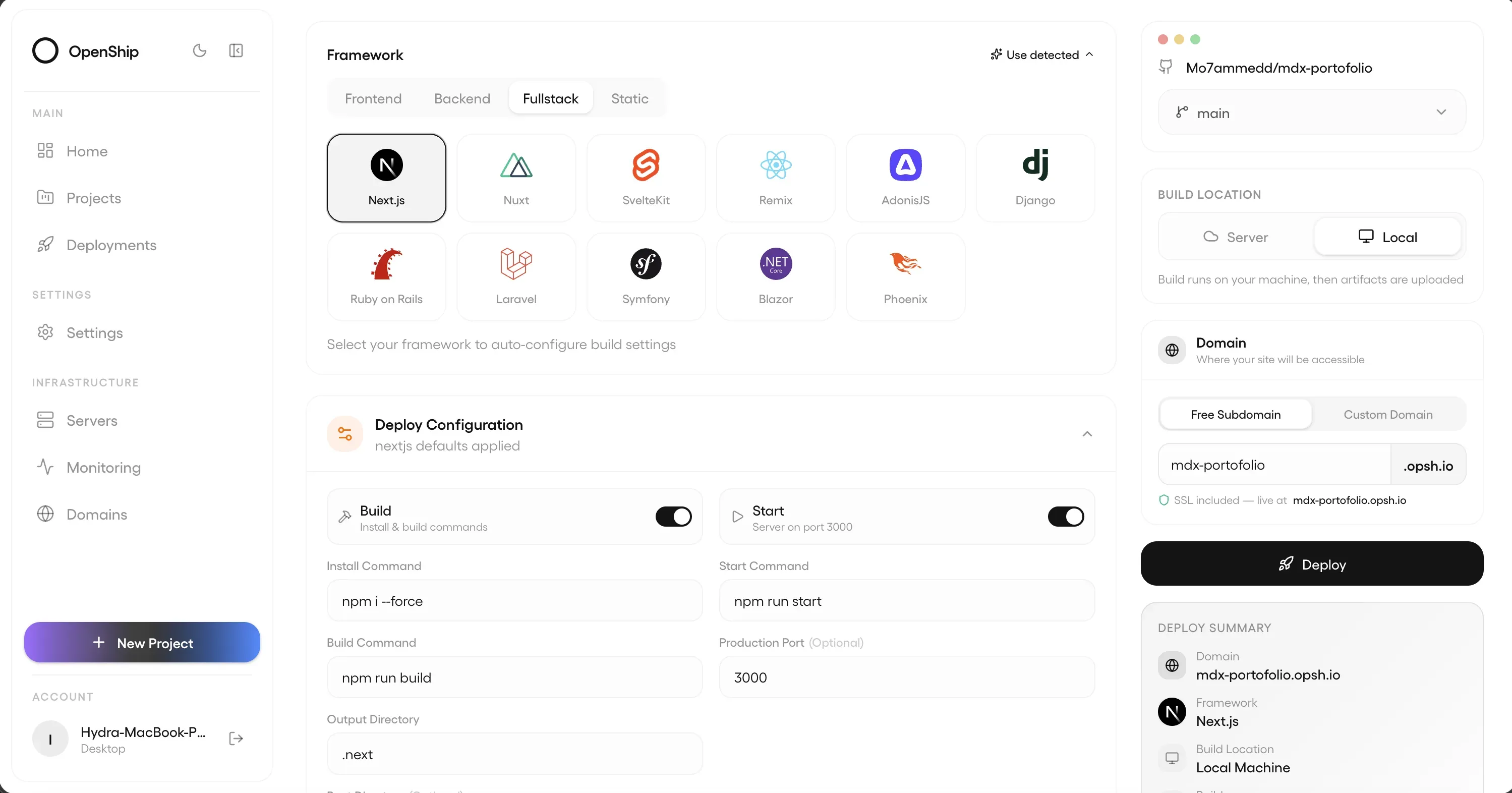
Openship targets developers and teams that want an integrated, self-hosted path from source code to running applications. Before adoption, understand its Compose and bare modes, Docker socket exposure, networking, and always-on requirements.
Read article →DEPLOYMENT NOTES
Make persistent data, backups, security, and upgrades part of your deployment plan.
Read deployment guides