


Immich
A self-hosted photo and video backup platform with mobile auto-upload, albums, search and facial recognition.
Docker
OPEN SOURCE. YOUR WAY.
From open-source discoveries to self-hosted applications and AI workflows. Understand the tools, make your choice, and put your ideas to work.
Find software and alternatives that fit
From first install to reliable backups
Connect tools and automate routine work
THE SHORTLIST
Look beyond features: understand licensing, deployment, and maintenance.
A self-hosted photo and video backup platform with mobile auto-upload, albums, search and facial recognition.

A workflow automation platform with visual flows, code nodes and native AI capabilities that can be self-hosted.

A lightweight Bitwarden-compatible password manager for individuals and small teams that want control of their data.
A listing is not a test certification. Check each project’s license and requirements. Our standards ↗
FROM THE NOTEBOOK
Practical guides, considered choices, and the details that make a difference.

pi-llm-wiki connects source capture, ingestion, search, linting, and Obsidian-compatible storage for Pi and MCP workflows. It suits developers and researchers who want durable context, but deployment still requires decisions about hosts, models, data governance, and automation.
Read article →
Second Brain OS combines Obsidian, Claude Code, and agent workflows to turn scattered material into a linked Markdown knowledge base. Review access, privacy, and maintenance needs before adopting it.
Read article →
Domain Locker is an open-source, self-hostable hub for domain inventory, expiration alerts, configuration history, and website health monitoring.
Read article →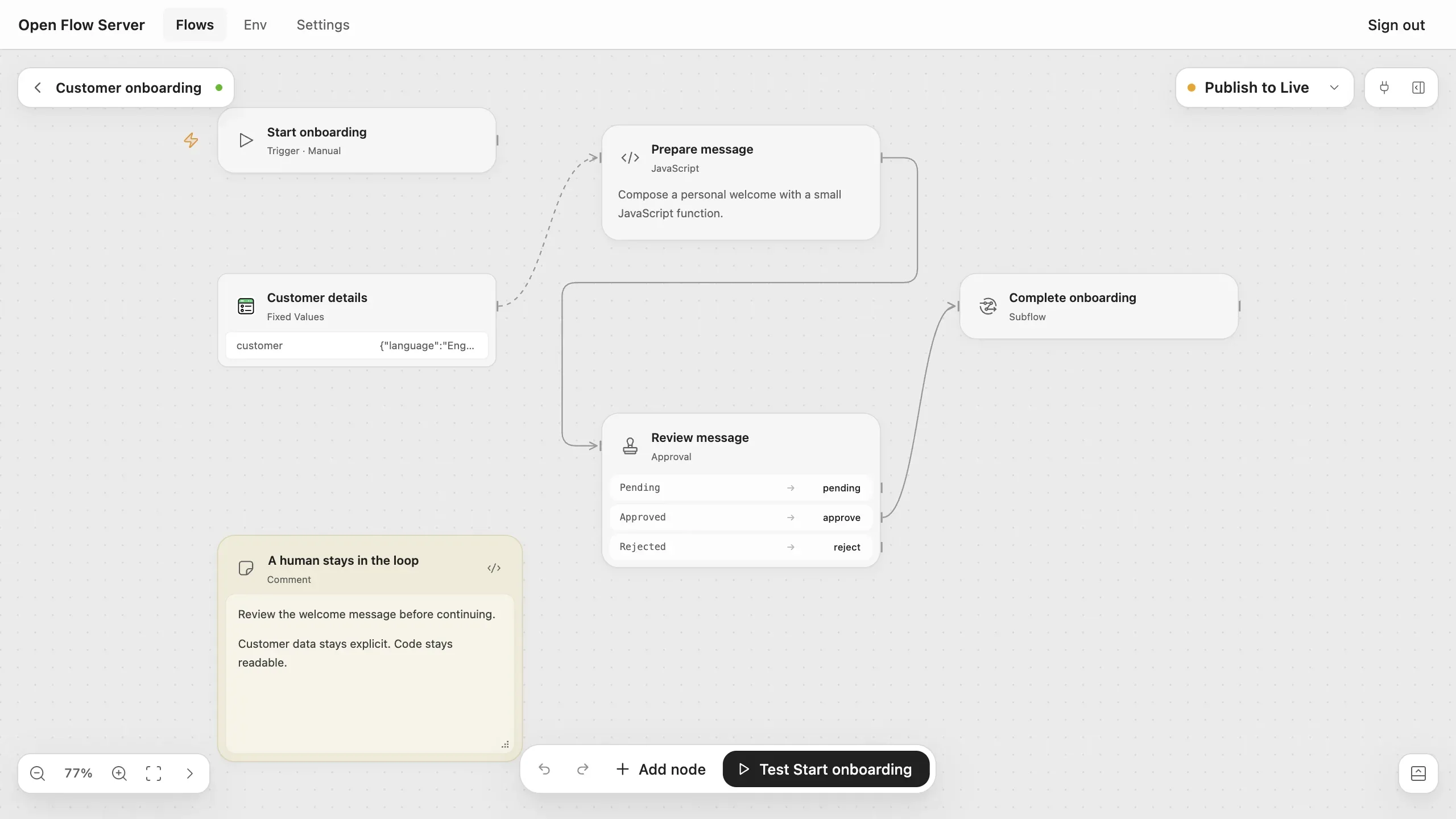
Open Flow is an Apache-2.0 open-source visual workflow platform combining JavaScript, AI tasks, app connections, branching, and human approval. It supports hosted or self-managed deployment, while its beta status and operational dependencies require careful evaluation before adoption.
Read article →
Notte targets developers building AI or coding agents that operate websites. Its open-source core covers web agents, structured output, and site interactions, while the API service adds hosted browser sessions and other features. Review licensing, service dependencies, and credential handling before adoption.
Read article →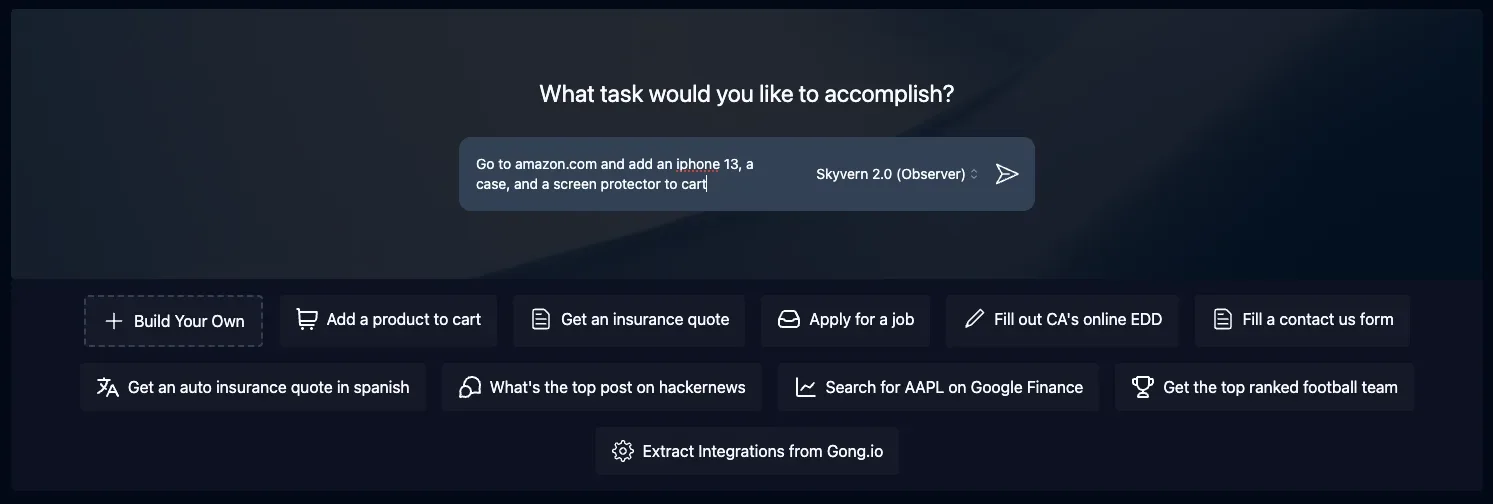
Skyvern combines Playwright-compatible browser automation with large language models and computer vision. This overview covers suitable users, documented capabilities, and the dependency, data, and licensing questions to resolve before self-hosting.
Read article →DEPLOYMENT NOTES
Make persistent data, backups, security, and upgrades part of your deployment plan.
Read deployment guides