


Immich
A self-hosted photo and video backup platform with mobile auto-upload, albums, search and facial recognition.
Docker
OPEN SOURCE. YOUR WAY.
From open-source discoveries to self-hosted applications and AI workflows. Understand the tools, make your choice, and put your ideas to work.
Find software and alternatives that fit
From first install to reliable backups
Connect tools and automate routine work
THE SHORTLIST
Look beyond features: understand licensing, deployment, and maintenance.
A self-hosted photo and video backup platform with mobile auto-upload, albums, search and facial recognition.

A workflow automation platform with visual flows, code nodes and native AI capabilities that can be self-hosted.

A lightweight Bitwarden-compatible password manager for individuals and small teams that want control of their data.
A listing is not a test certification. Check each project’s license and requirements. Our standards ↗
FROM THE NOTEBOOK
Practical guides, considered choices, and the details that make a difference.
CISO Assistant brings risk, compliance, audit, and remediation workflows together. This overview covers its documented features, suitable users, self-hosting paths, license, and adoption caveats.
Read article →
Proxmox VE Helper-Scripts provides community-maintained automation for deploying services, containers, and virtual machines on Proxmox VE. It suits homelab and self-hosting users who want less manual setup, but adoption still requires checking supported versions, root access, networking, resources, and each script’s documentation.
Read article →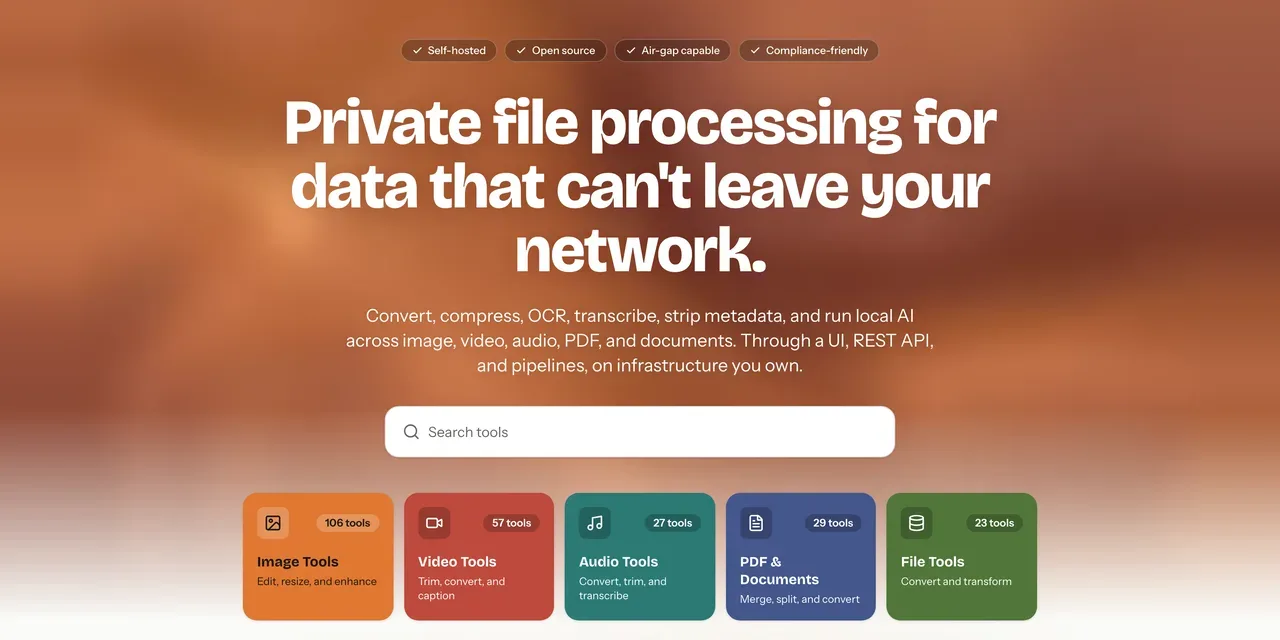
SnapOtter is a self-hosted stack for image, video, audio, PDF, and document processing, with a UI, REST API, pipelines, and local AI. Evaluate licensing, resources, permissions, and deployment complexity before adopting it.
Read article →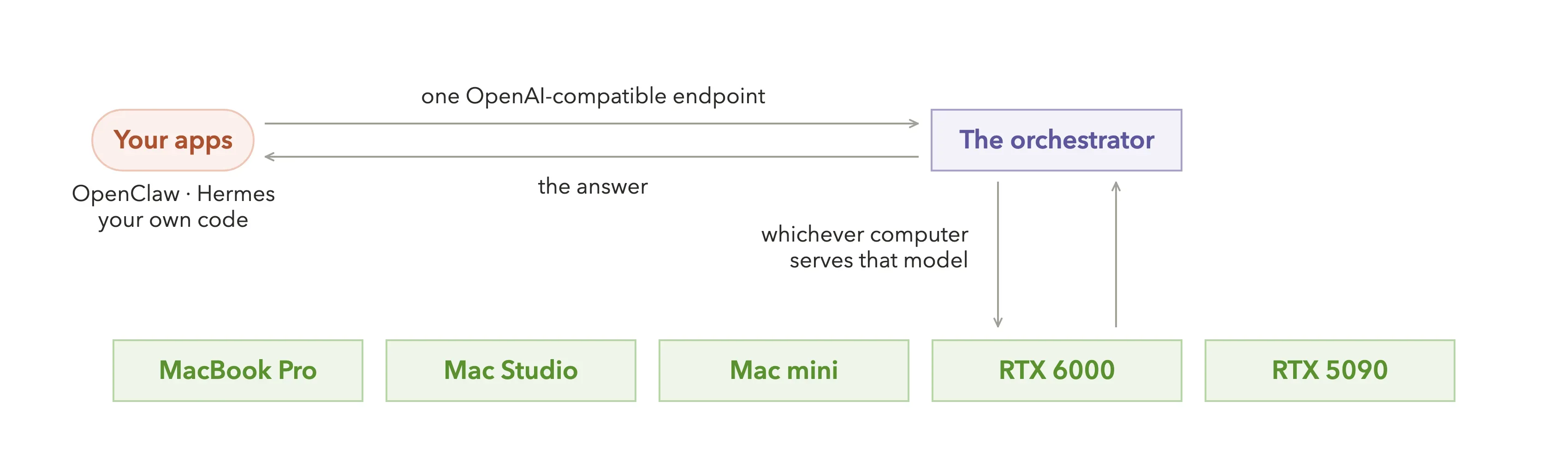
AI Grid is aimed at people with several macOS or Linux machines who want to pool local model nodes behind an OpenAI-compatible endpoint. Review networking, model files, engine choices, and experimental training before adoption.
Read article →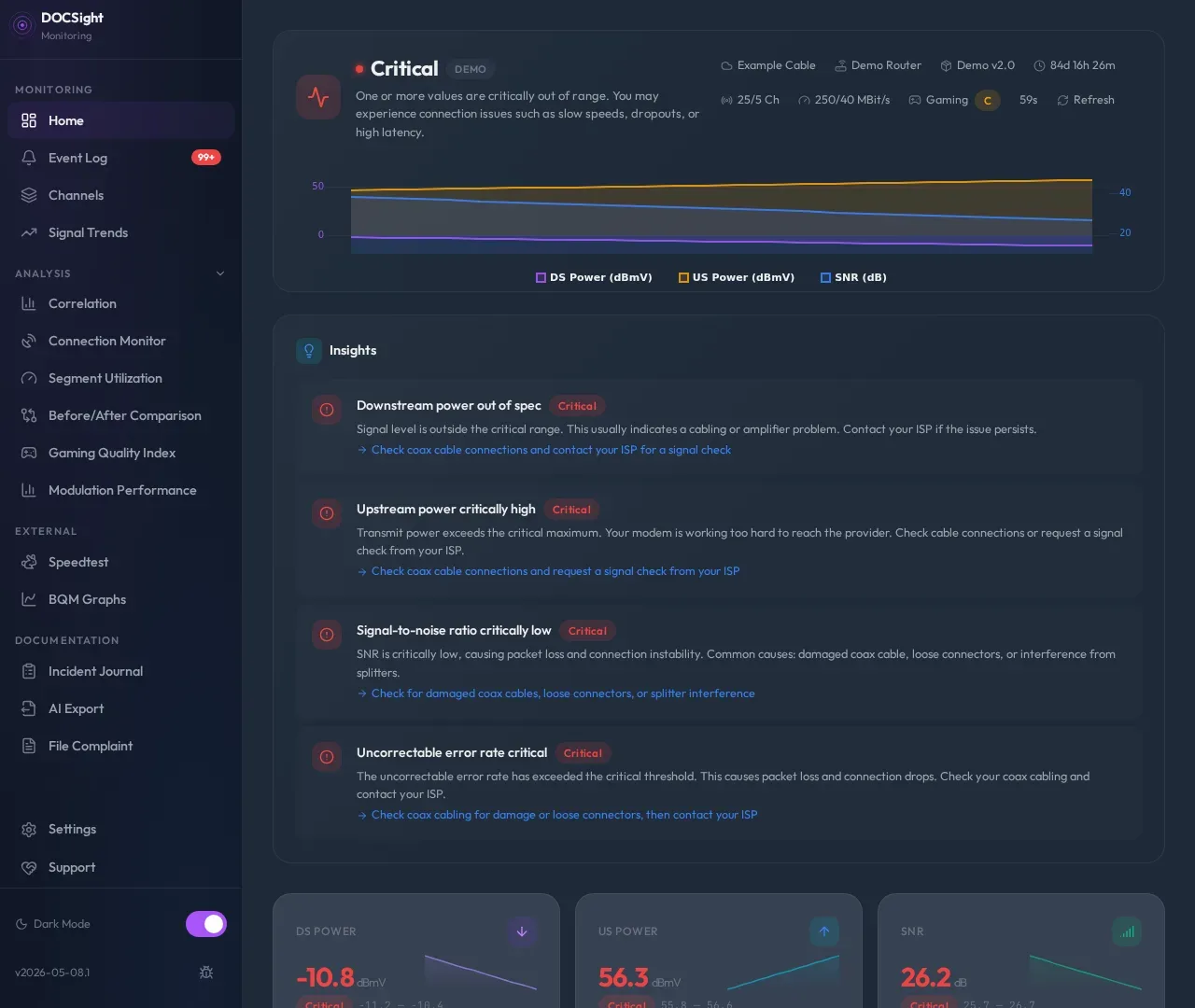
DOCSight is a self-hosted evidence system for DOCSIS users. It combines signal history, speed tests, latency, modem events, and notes, then produces local reports. It suits people documenting recurring cable problems, provided they check hardware support and review exports before sharing them.
Read article →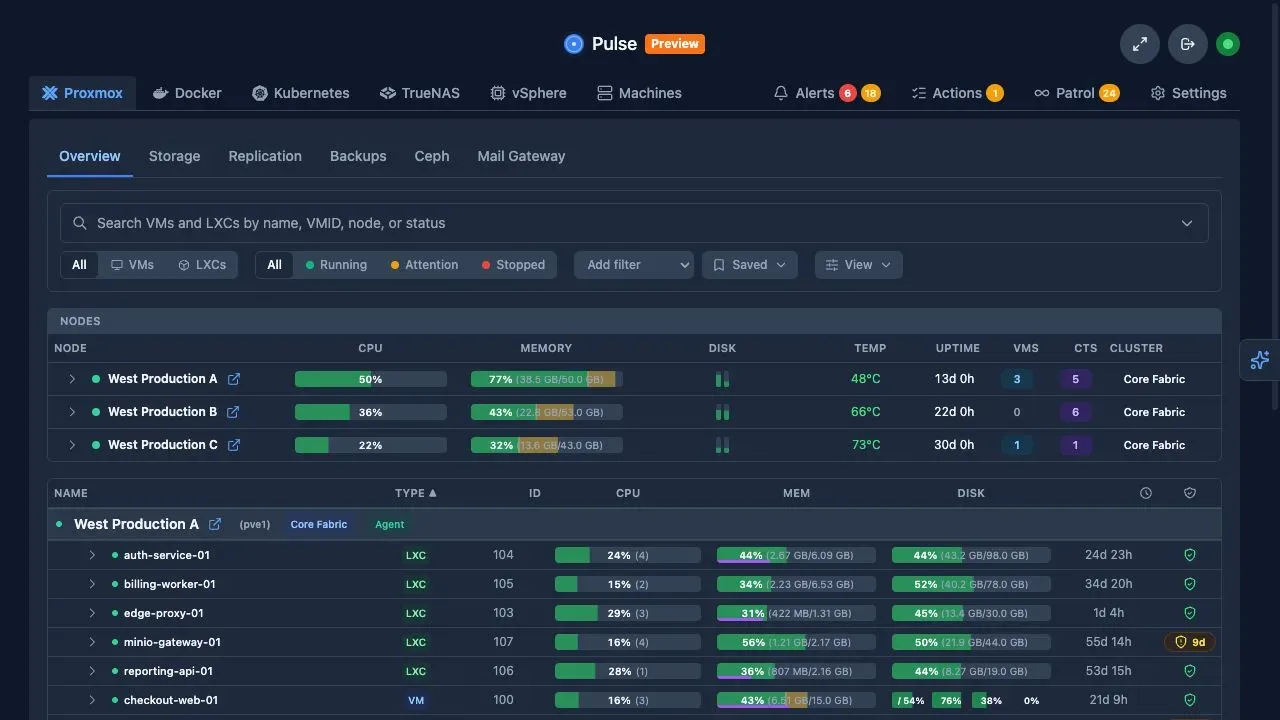
Pulse brings Proxmox, Docker, Kubernetes, TrueNAS, and several host platforms into one self-hosted monitoring workspace. It combines history, alerts, recovery visibility, and scheduled checks, while vSphere remains early access and AI capabilities vary by edition.
Read article →DEPLOYMENT NOTES
Make persistent data, backups, security, and upgrades part of your deployment plan.
Read deployment guides