


Immich
A self-hosted photo and video backup platform with mobile auto-upload, albums, search and facial recognition.
Docker
OPEN SOURCE. YOUR WAY.
From open-source discoveries to self-hosted applications and AI workflows. Understand the tools, make your choice, and put your ideas to work.
Find software and alternatives that fit
From first install to reliable backups
Connect tools and automate routine work
THE SHORTLIST
Look beyond features: understand licensing, deployment, and maintenance.
A self-hosted photo and video backup platform with mobile auto-upload, albums, search and facial recognition.

A workflow automation platform with visual flows, code nodes and native AI capabilities that can be self-hosted.

A lightweight Bitwarden-compatible password manager for individuals and small teams that want control of their data.
A listing is not a test certification. Check each project’s license and requirements. Our standards ↗
FROM THE NOTEBOOK
Practical guides, considered choices, and the details that make a difference.
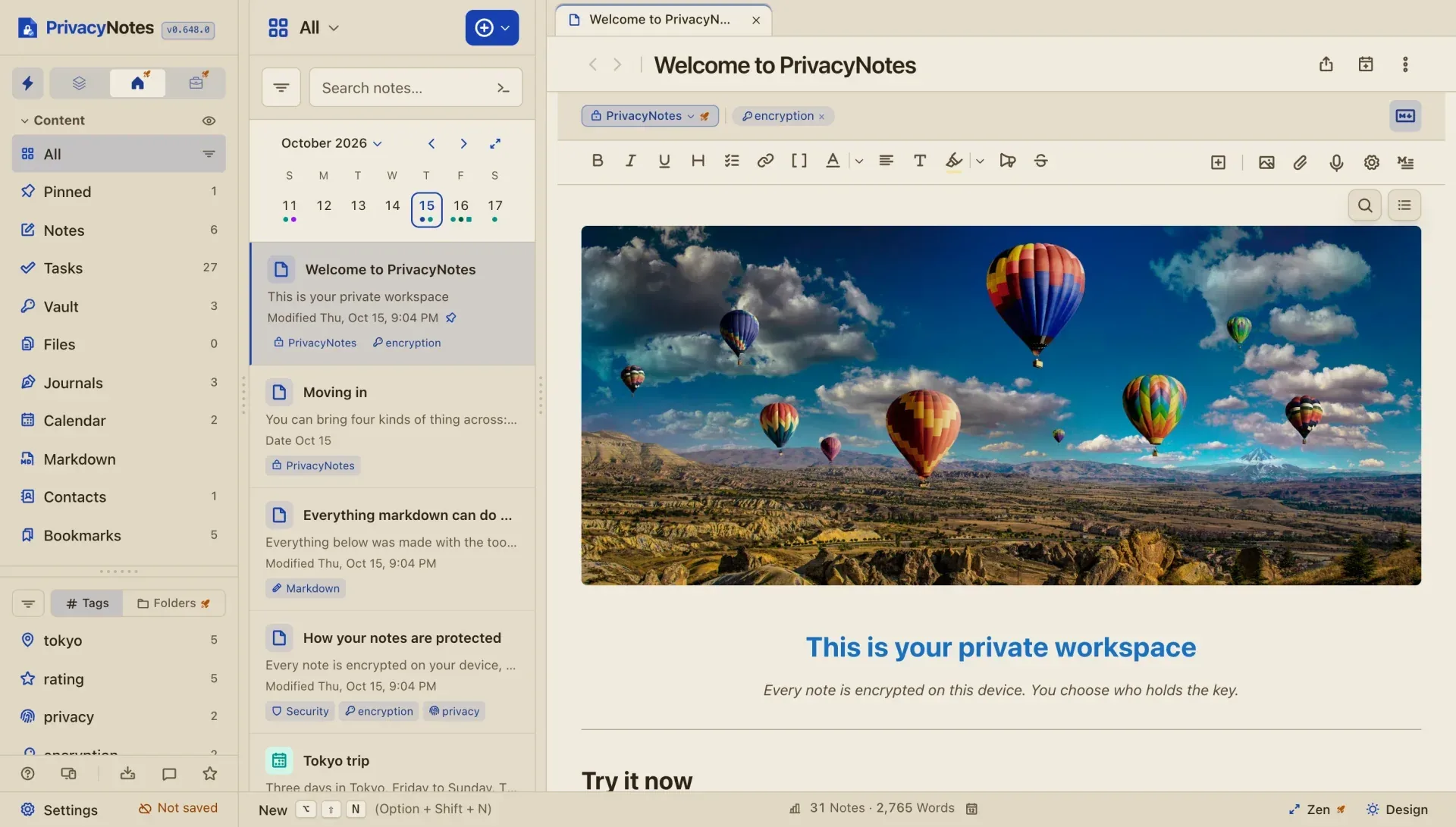
PrivacyNotes.app combines encrypted notes, tasks, journals, passwords, and attachments for users willing to manage a phrase-based key.
Read article →
Nowen Note combines notes, knowledge management, daily logs, tasks, collaboration, and AI features in a GPL-3.0 project for people who want to run and manage their own data.
Read article →
IWE turns local Markdown files into a connected knowledge graph with editor LSP features, a CLI, and MCP tools for AI agents. It suits developers who value readable local files, but editor support, agent access, and deployment details should be verified first.
Read article →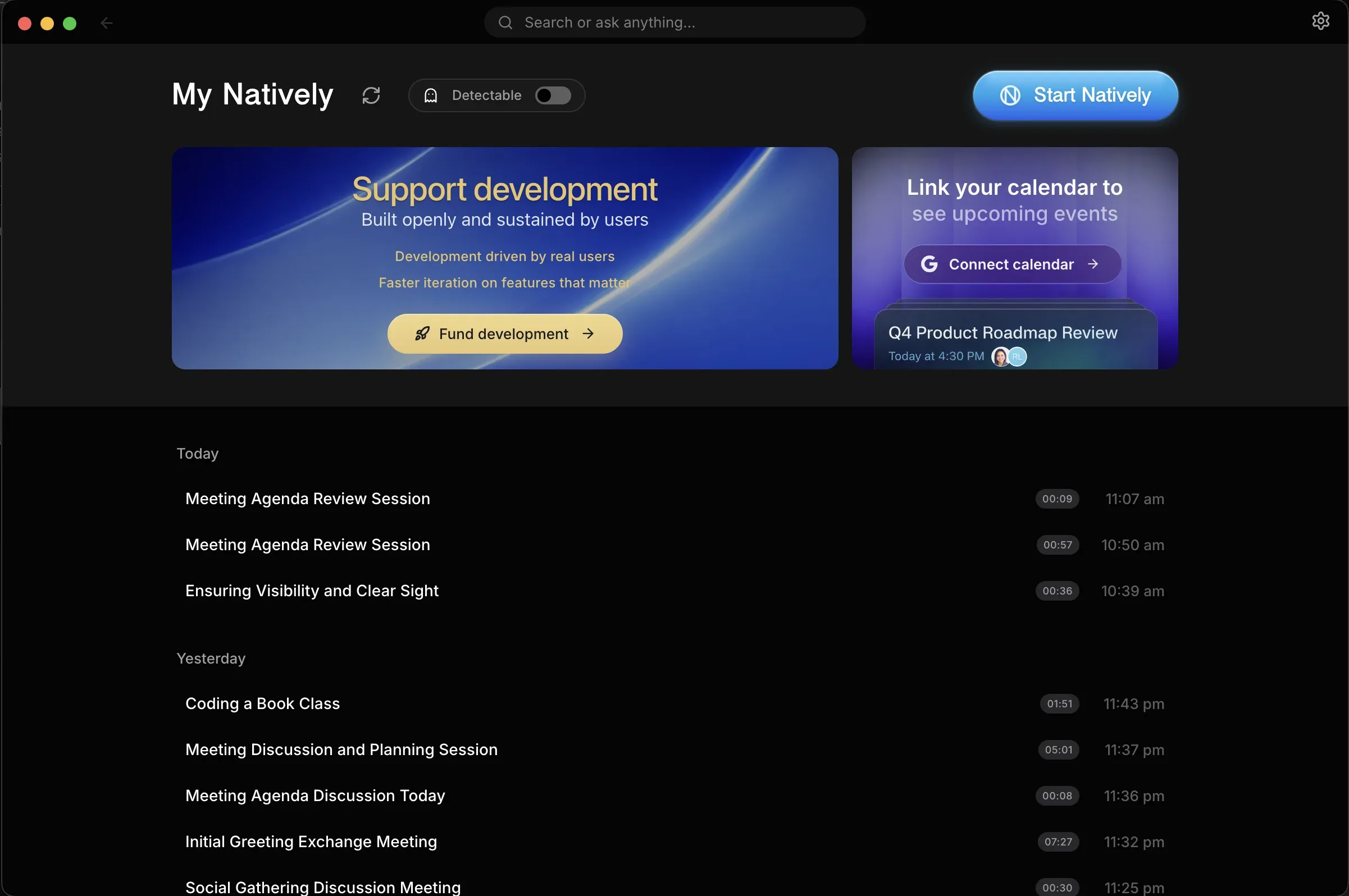
Natively is a source-available desktop application for meetings, interviews, and note taking. It offers live transcription, AI answers, local retrieval, and multiple speech-to-text options, but users should review its license, data flows, stealth-mode limits, and system requirements before deployment.
Read article →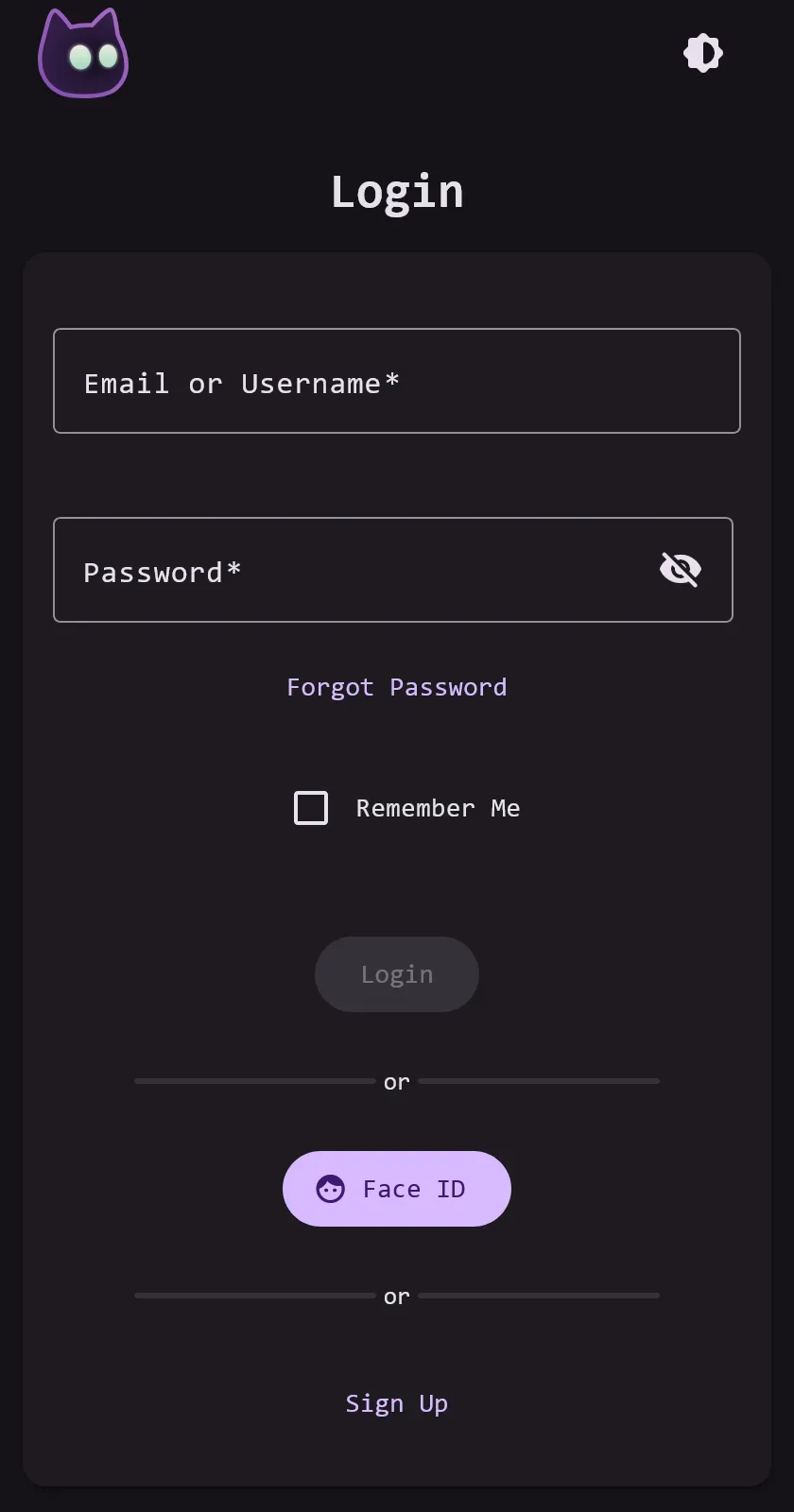
VoidAuth brings OIDC, ForwardAuth, LDAP, user management, and multifactor authentication into a self-hosted identity service. It suits individuals and small teams that want one login layer, but deployment requires attention to AGPL-3.0, email, persistence, and the project’s unaudited status.
Read article →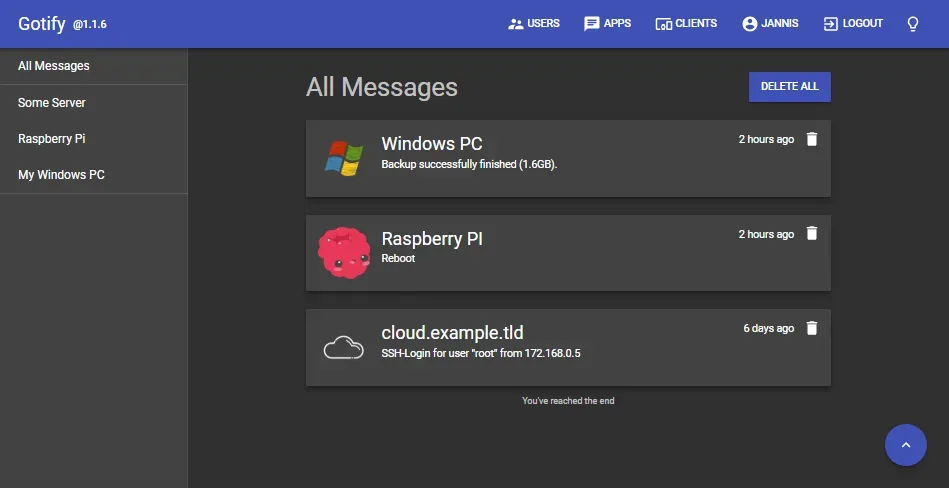
Gotify/server offers REST API sending, WebSocket receiving, a web UI, and an extension point for plugins. Review licensing, authentication, storage, and companion clients before adoption.
Read article →DEPLOYMENT NOTES
Make persistent data, backups, security, and upgrades part of your deployment plan.
Read deployment guides