


Immich
A self-hosted photo and video backup platform with mobile auto-upload, albums, search and facial recognition.
Docker
OPEN SOURCE. YOUR WAY.
From open-source discoveries to self-hosted applications and AI workflows. Understand the tools, make your choice, and put your ideas to work.
Find software and alternatives that fit
From first install to reliable backups
Connect tools and automate routine work
THE SHORTLIST
Look beyond features: understand licensing, deployment, and maintenance.
A self-hosted photo and video backup platform with mobile auto-upload, albums, search and facial recognition.

A workflow automation platform with visual flows, code nodes and native AI capabilities that can be self-hosted.

A lightweight Bitwarden-compatible password manager for individuals and small teams that want control of their data.
A listing is not a test certification. Check each project’s license and requirements. Our standards ↗
FROM THE NOTEBOOK
Practical guides, considered choices, and the details that make a difference.
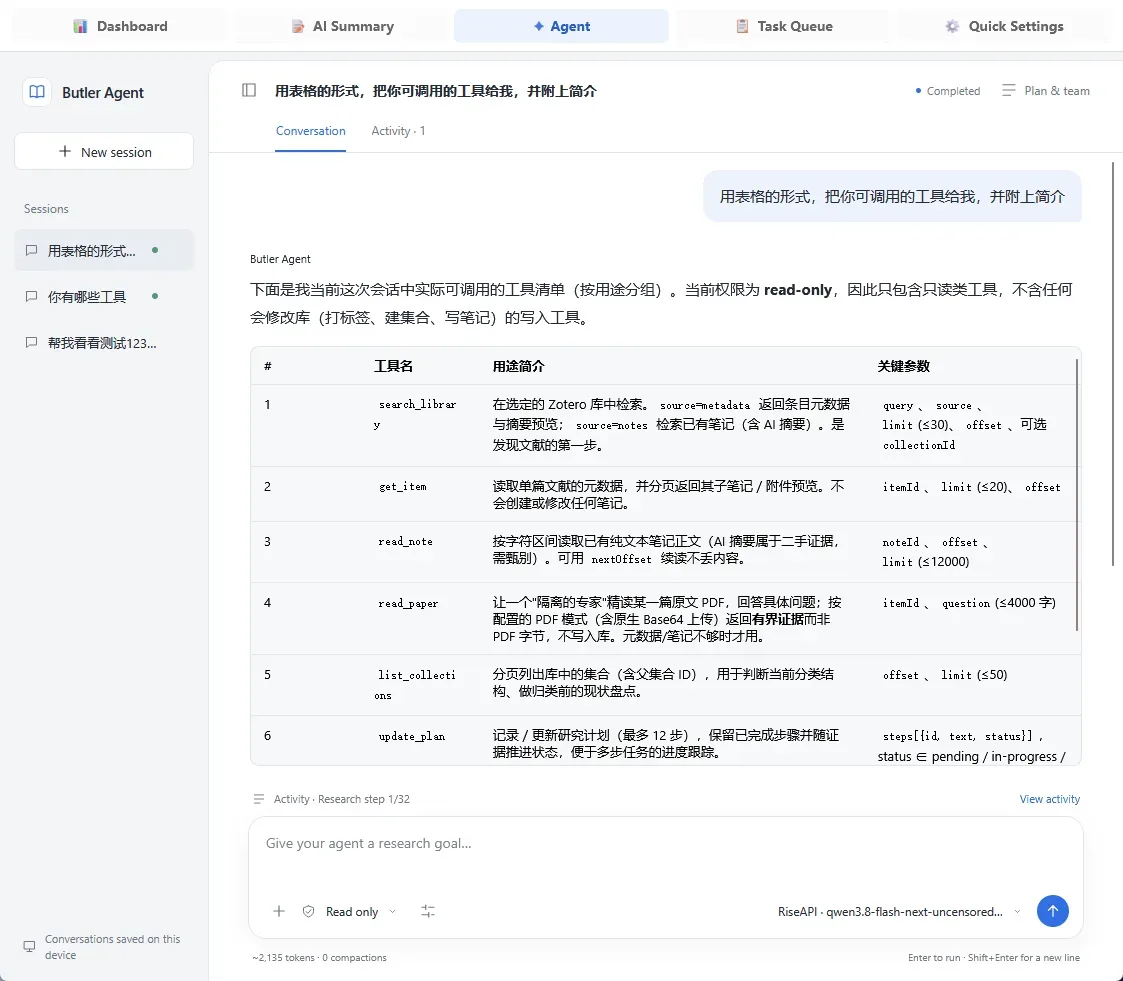
Zotero-AI-Butler adds model-assisted paper analysis to Zotero, with automatic notes, batch processing, multimodal PDF options, and literature reviews—while users must provide their own model access.
Read article →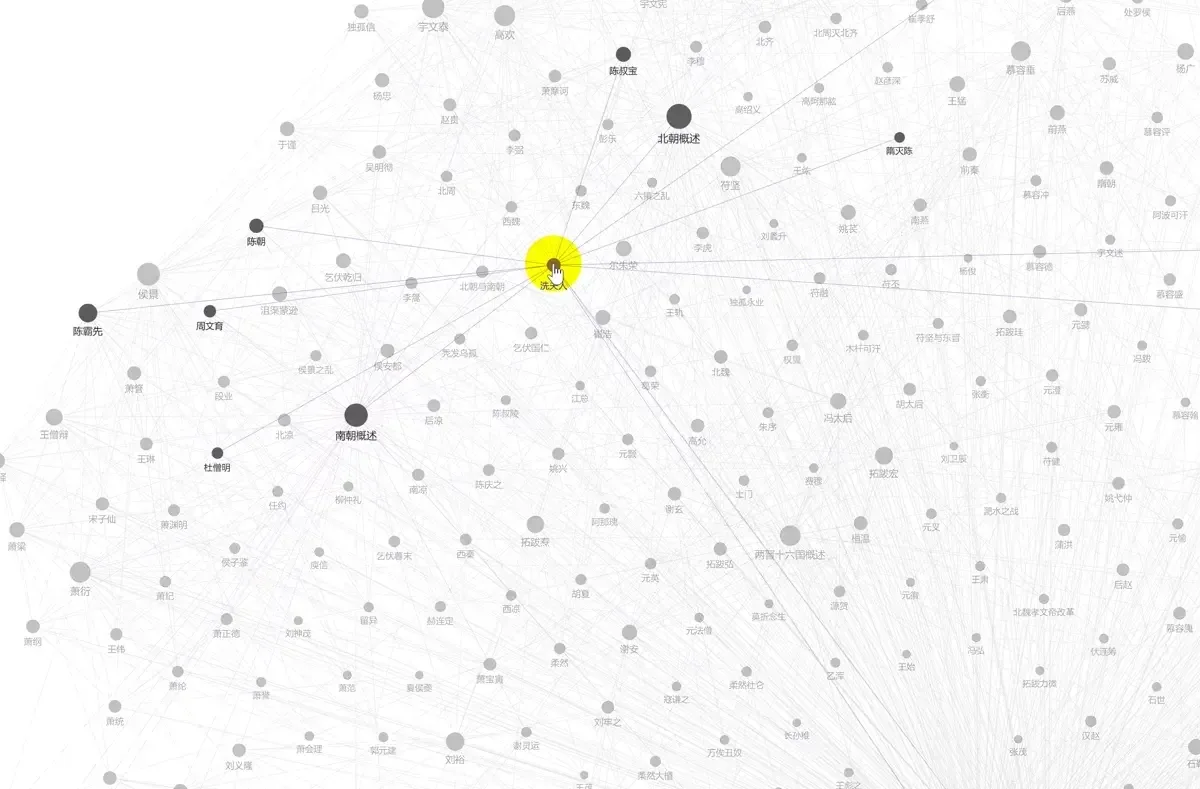
Molio turns documents, web pages, images, and Obsidian content into a Markdown-based knowledge layer with graphs and agent workflows. It supports desktop and self-hosted NAS deployment, but users should review runtime setup, container access, model downloads, macOS notarization, and licensing before adoption.
Read article →
Glamorous Toolkit is a programmable environment for understanding code, data, and other system artifacts through contextual micro tools. It offers a self-contained distribution, a live book, and source-based installation, but users should expect a learning curve and verify platform requirements for their own deployment.
Read article →
Crawlee gives Node.js projects a common interface for HTTP and browser crawling, with queues and storage. Before adoption, review the Node.js requirement, browser dependencies, local storage defaults, and target-site rules.
Read article →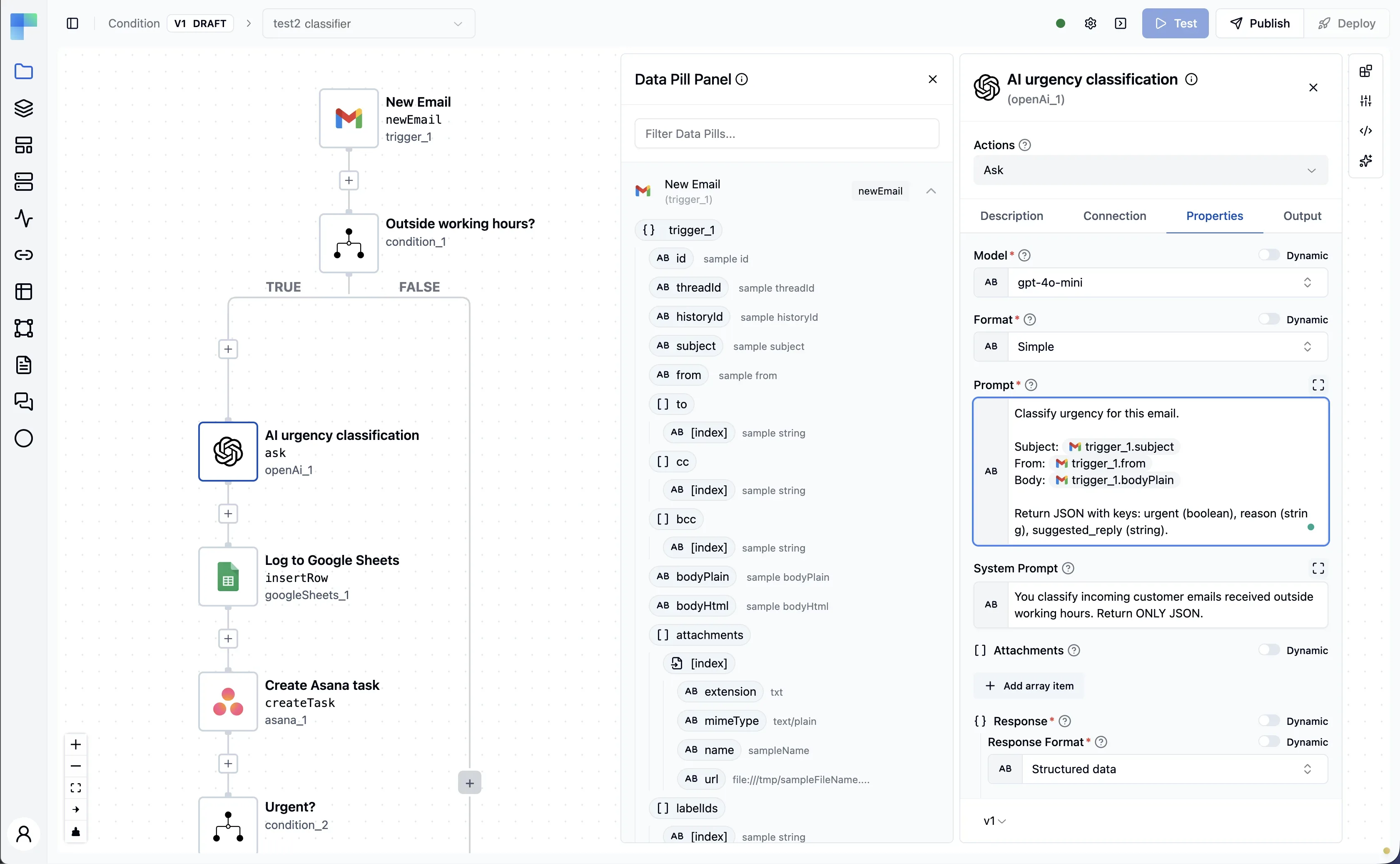
ByteChef targets teams that need self-hosted AI agents, workflow automation, or embedded integrations. Its visual orchestration, connectors, MCP support, and approvals are useful, but database choices, licensing boundaries, and enterprise features require verification before adoption.
Read article →
ROSClaw connects AI agents with robots, simulators, and ROS 2 through a governed action runtime. It is still Alpha, so simulation evidence should not be treated as production hardware readiness.
Read article →DEPLOYMENT NOTES
Make persistent data, backups, security, and upgrades part of your deployment plan.
Read deployment guides