


Immich
A self-hosted photo and video backup platform with mobile auto-upload, albums, search and facial recognition.
Docker
OPEN SOURCE. YOUR WAY.
From open-source discoveries to self-hosted applications and AI workflows. Understand the tools, make your choice, and put your ideas to work.
Find software and alternatives that fit
From first install to reliable backups
Connect tools and automate routine work
THE SHORTLIST
Look beyond features: understand licensing, deployment, and maintenance.
A self-hosted photo and video backup platform with mobile auto-upload, albums, search and facial recognition.

A workflow automation platform with visual flows, code nodes and native AI capabilities that can be self-hosted.

A lightweight Bitwarden-compatible password manager for individuals and small teams that want control of their data.
A listing is not a test certification. Check each project’s license and requirements. Our standards ↗
FROM THE NOTEBOOK
Practical guides, considered choices, and the details that make a difference.

Synaplan combines multi-model chat, document RAG, an embeddable widget, and MCP in a self-hosted platform. Teams should assess its multi-container deployment, provider keys, data operations, and upgrade process before adoption.
Read article →
Unsloth offers desktop, web, and code-based paths for local model running, fine-tuning, export, and serving. Before adoption, verify model resource needs, applicable licenses, network exposure, and tool-use policy.
Read article →
Artifact Keeper combines many package protocols, scanning, search, and replication in one open-source registry, while deployment still requires careful dependency planning.
Read article →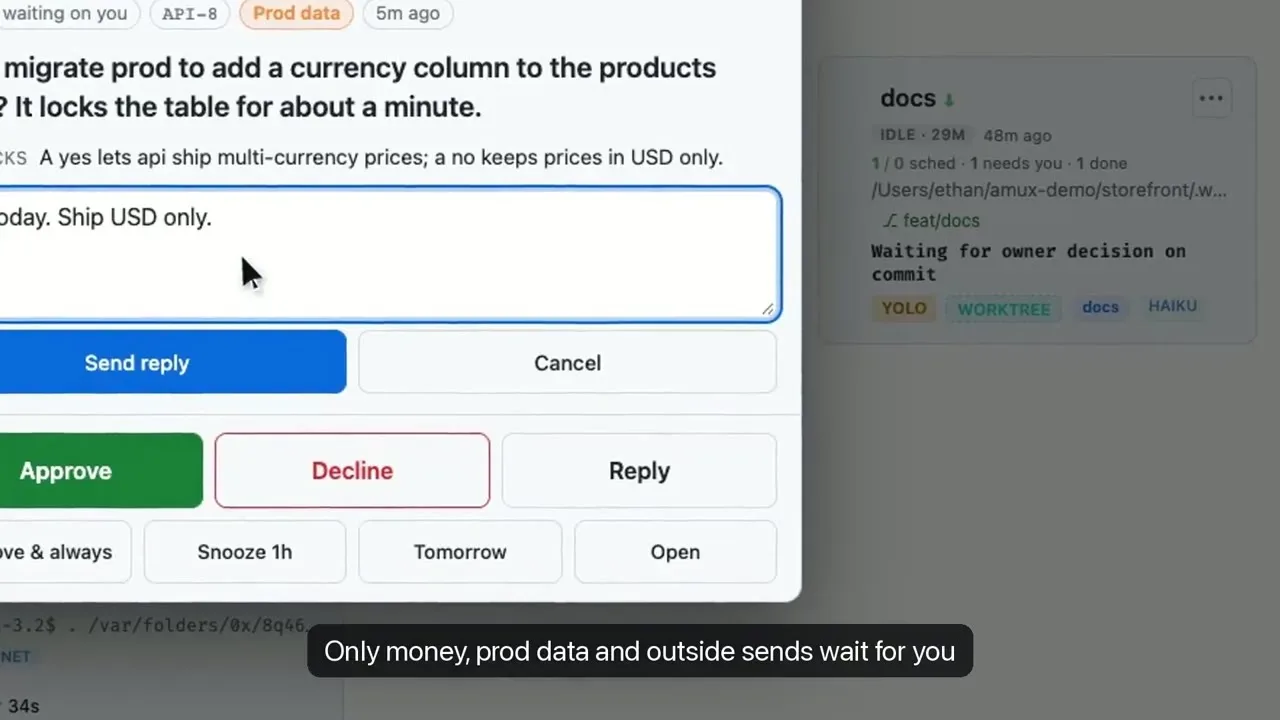
amux coordinates AI coding agents through a shared board, messaging, schedules, and recovery features. Before adoption, verify its license, CLI requirements, tmux dependency, and deployment permissions.
Read article →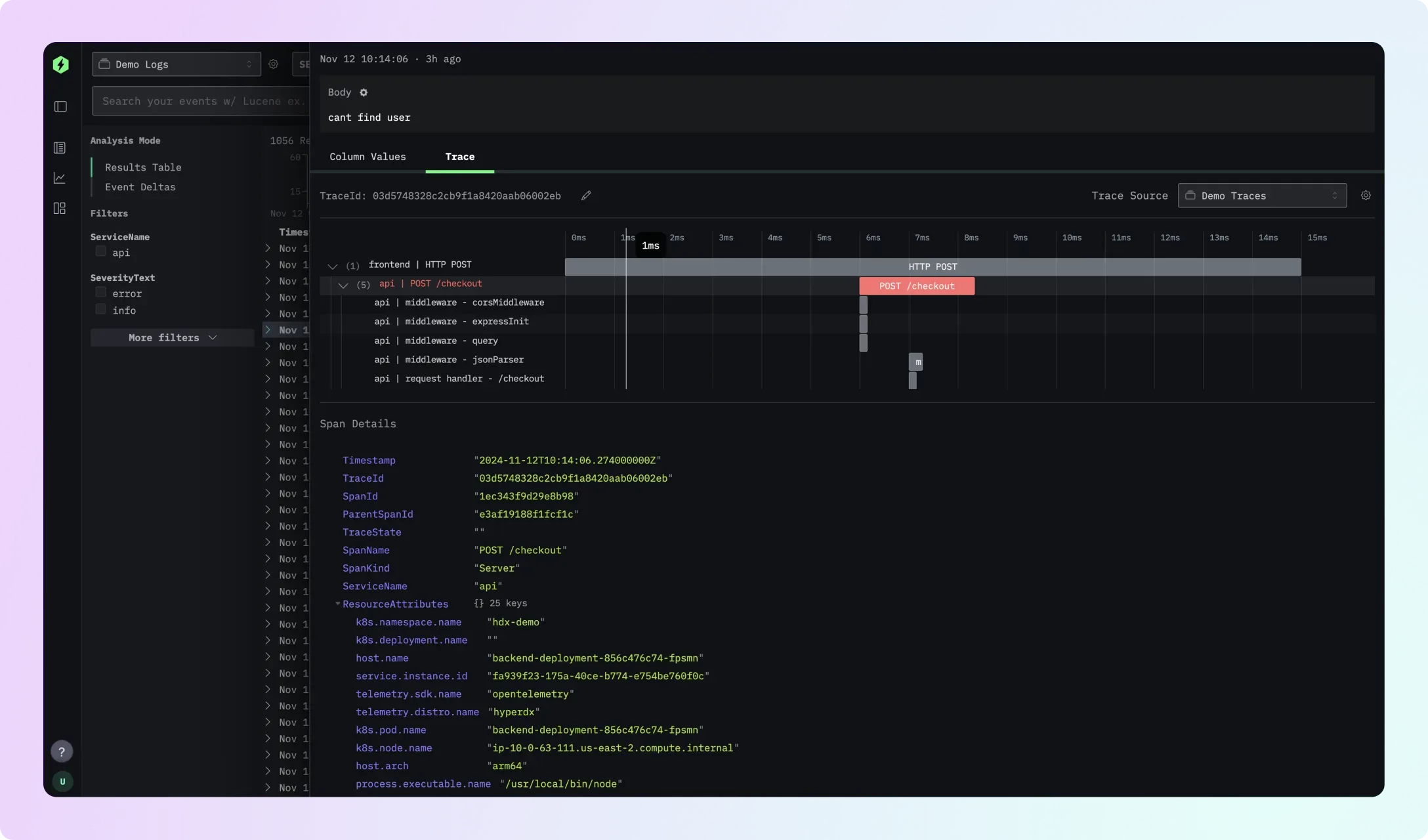
HyperDX is an open-source observability platform built around ClickHouse and OpenTelemetry. This guide covers its capabilities, target users, deployment model, and adoption constraints.
Read article →
DockDash combines service discovery, health and resource history, container operations, topology mapping, notifications, and semantic-version-aware image updates. Its powerful Docker controls and default lack of enforced authentication make isolation and access control essential.
Read article →DEPLOYMENT NOTES
Make persistent data, backups, security, and upgrades part of your deployment plan.
Read deployment guides